

When should kids have their first eye exam and why it matters?
Children need eye exams at 6 months, age 3, before school (ages 5–6), and then yearly once in school to detect vision problems that may affect learning and development. Signs they may need an exam include squinting, sitting close to screens, headaches, or reading struggles.
Book an eye exam
Regular eye exams are essential for your children’s eye health and for detecting potential vision problems that could impact how they learn, play, and grow.
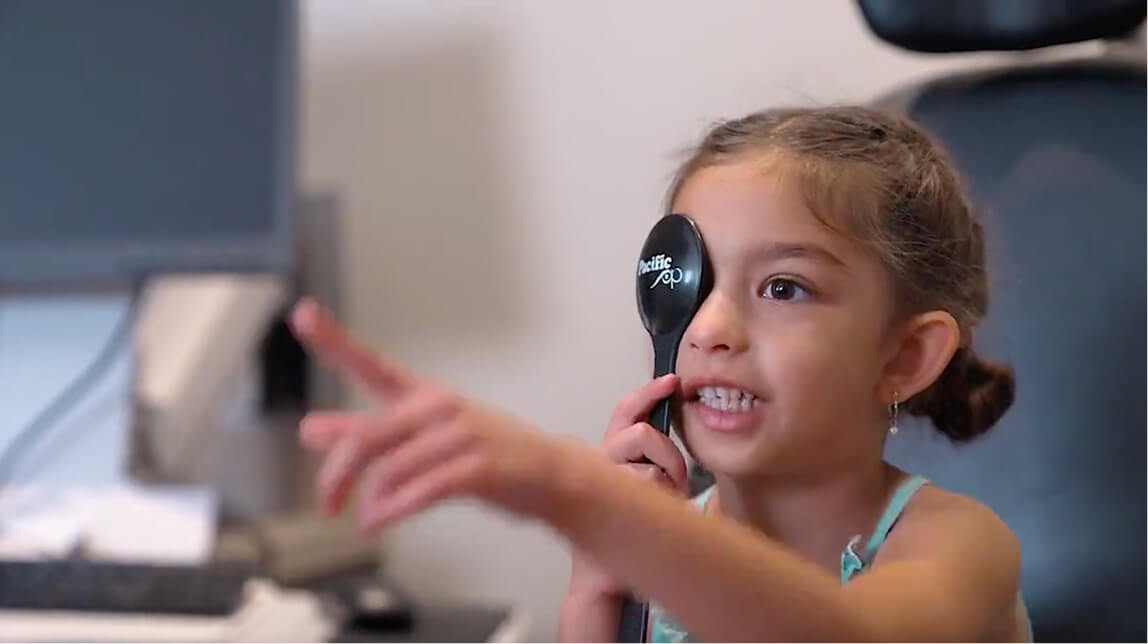
For little ones, back-to-school season is a time of heightened learning and growth. As their parents and caregivers, you’ll want to help prepare them so they can have the best experience possible. Part of this means ensuring they have the tools to see and feel their best, and a children’s eye exam can help them get there. Even playtime and extracurricular activities require clear vision.
Around 25% of school-aged children experience vision problems, according to the Canadian Association of Optometrists (CAO). These problems can be difficult to detect and often go unnoticed by teachers and parents. A comprehensive eye exam for children can give you a clearer picture of their eye health and vision.
How often should you book children’s eye exams?
We recommend scheduling your child’s first eye exam at six months of age, then at age 3-4 (before school) and yearly afterwards then regularly from there. If you have a family history of vision problems, then make it a point to come in regularly to stay ahead of potential issues.
“A rising basketball star may think they can’t shoot because they’re struggling with depth perception. Or a child is thought to have behavioural issues because they can’t stay focused on a board that’s difficult to read.”
Dr. Bunny Virk, Optometrist • FYidoctors
What does an eye exam look at?
Eye exams for children involve a series of tests that evaluate a child’s vision as well as check for eye diseases. An eye exam may look at:
Visual acuity
Convergence
Eye tracking/ocular movement
Binocular vision
Colour vision
Pupils
Pressures
Refraction
Ocular health

These tests look at various aspects of vision health so that preventive or corrective measures can be taken. When eye problems are diagnosed early on, they can be treated more effectively.
Book an appointment
How can vision problems affect children at school?

Untreated vision problems can manifest in different ways, ultimately impacting your child’s confidence, grades, and happiness.
School-aged children may not know what tools they need to succeed, such as with their vision. As a result, they might place blame on themselves for falling behind.
What to look for when shopping for children’s glasses
Our eye care professionals can help you find the right pair of glasses for your children, manufactured using industry-leading processes. There are a few factors to consider when shopping for a child’s first pair of glasses, such as:
Fit
Ensure fit snugly, but comfortably.
Colour and style
Consider your child’s preferences; this way, they’ll want to wear the glasses.
Durability and flexibility
A must for any pair of children’s glasses!
Help your child see and feel their best.
IT STARTS WITH AN EYE EXAM, BOOK TODAY.
Find a clinic near you
FAQs
Are children's eye exams different from adult eye exams?
Yes. Children's eye exams use age-appropriate techniques — no reading or letters required. Our optometrists check how the eyes focus, track, and work together, catching conditions like lazy eye (amblyopia) early, when they're most treatable, plus learning-related vision problems that school screenings miss. What to expect →
At what age should my child have their first eye exam?
The Canadian Association of Optometrists recommends a first exam at 6–9 months, another between ages 2 and 5, and annual exams from age 6. Many vision problems have no obvious symptoms, and undetected issues can affect learning. Book at 300+ clinics across Canada →
What is myopia control, and can it slow my child's nearsightedness?
Myopia control uses proven treatments to slow how quickly nearsightedness worsens, reducing lifetime risk of serious eye conditions. Options include Essilor® Stellest® lenses, myopia-control contact lenses, and more outdoor time. Our optometrists recommend the right fit for your child. Explore Stellest® lenses →
What are the signs my child needs glasses?
Watch for squinting, sitting close to screens, headaches, eye rubbing, covering one eye, head tilting, or losing their place while reading. Some children show no signs at all — they assume everyone sees the way they do — so annual exams matter even when everything seems fine. Kids' glasses →
At what age can my child start wearing contact lenses?
There's no strict minimum age — maturity matters more than birthdays. Most children are ready between 8 and 12, once they can handle lenses and hygiene responsibly. Daily disposables make it easier, and some myopia-control contacts are designed for kids. Our optometrists assess readiness at a fitting. Contact lens fittings →