

Could My Child's Headaches or Eye Rubbing Be Related to Vision Issues?
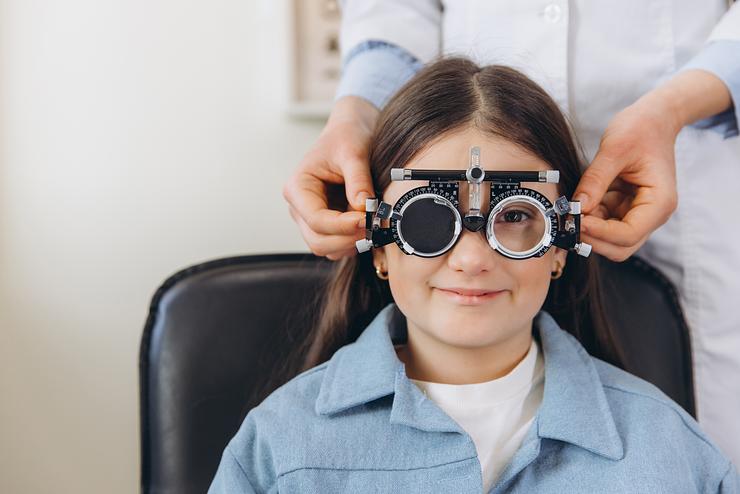
Yes, FYidoctors optometrists see recurring headaches and frequent eye rubbing as clues that a child's eyes may be working too hard. Possible vision causes include uncorrected nearsightedness, farsightedness or astigmatism, along with eye teaming or focusing problems. Allergies and dry eye can cause similar signs, so a comprehensive eye exam is the best way to tell the difference.
What to Remember
- Headaches after reading or screens, plus frequent eye rubbing, can point to a vision problem.
- Children may not report blurry vision because they assume everyone sees the same way.
- Eye rubbing can also come from allergies or dry eye, so an exam is the best way to know.
- A school vision screening doesn't replace a comprehensive eye exam with an optometrist.
Why Vision Problems Can Cause Headaches and Eye Rubbing
Eyes that struggle to focus or team up work harder, which can show up as headaches, tired eyes and rubbing. The Canadian Association of Optometrists (CAO) says a child with weak visual skills may develop headaches or fatigue.
Your child may never complain, since the CAO notes kids may assume everyone sees the way they do. School workloads can reveal a hidden problem. FYidoctors optometrists check focusing and eye teaming as part of children's eye health care.
Common Vision Causes
Vision is one possible cause among many. Eye issues that may play a part include:
- Refractive errors, such as nearsightedness, farsightedness and astigmatism, which the CAO names as conditions that can emerge in school-age years
- Eye teaming problems, which can cause strain during close work
- Digital eye strain, which the CAO's children and screen time guidance links to reduced blinking
The American Optometric Association lists eyestrain, headaches, and rubbing or covering an eye as signs of convergence insufficiency. Routine exams may not test for it, so mention symptoms and your child's screen time habits when booking.
How to Tell If It's Vision or Something Else
Symptom patterns can hint at whether the eyes are involved. Use this as a rough guide.
Leans Toward Vision
- Headaches after reading, homework or screens
- Squinting, rubbing or covering an eye during close work
May Be Something Else
- Itchy, red or swollen eyes (allergies)
- Excessive rubbing or blinking with screens (dry eye)
- Headaches with illness or stress
The CAO's screen-time guidance says excessive rubbing or blinking could signal dry eyes. The AOA lists itching, redness and swelling as signs of ocular allergies. Mayo Clinic lists infections and stress among causes of children's headaches.
An exam can help you understand what's driving the rubbing, whether it's vision, allergies or dry eye.
Keep a Simple Symptom Diary
For each headache, note the time, duration, activity and what helped. Track when rubbing happens, too.
Mayo Clinic notes that a diary can help you find what causes your child's headaches. Bring it to the appointment.
When to See an Optometrist and When to Seek Urgent Care
See an optometrist if headaches keep coming back after reading, homework or screens. Book too if your child often rubs their eyes, squints, sits very close or struggles at school.
Learn how an optometrist's role differs from other eye care providers.
Go to the nearest Emergency Department or call emergency services if a headache comes with these signs from AboutKidsHealth (SickKids):
- Sudden, severe head pain
- Worsening or returning pain after a head injury
- Dizziness, fainting or loss of consciousness
- Fever or a stiff neck
- Repeated vomiting
- Slurred or altered speech
- Weakness in part of the body
- Changes in vision
Call your child's doctor promptly if headaches wake your child at night, come with vomiting, get worse or more frequent, or change their behaviour. Don't wait for an eye exam in these situations.
What to Expect at Your Child's Eye Exam
A comprehensive exam goes beyond a chart, checking focusing, eye teaming, eye health and prescription needs. School vision screenings and sight tests aren't a substitute, according to the Canadian Association of Optometrists. The American Academy of Ophthalmology explains how screening differs from a comprehensive exam.
The CAO recommends a first exam at six to nine months and at least one more between ages two and five. After that, it advises yearly exams until age nineteen. Read more about children's eye exams and what to expect.
Is My Child's Eye Exam Covered?
Many provinces cover some children's eye exams, but rules differ, as the CAO's most recent provincial coverage overview shows. Cost varies by province, clinic and coverage, so confirm with your clinic or provincial plan.
Start with this guide to eye exam coverage in every province.
Related Services for Kids at FYidoctors
FYidoctors offers Canadian, doctor-led care at clinics across the country. If nearsightedness is found, ask about myopia management, and browse durable kids' glasses fitted in clinic.
At home, encourage short screen breaks to look far away, plus frequent blinking. The American Academy of Ophthalmology doesn't recommend blue light-blocking glasses for eye strain.
FAQ
Can Vision Problems Cause Headaches in Children?
Why Does My Child Keep Rubbing Their Eyes?
Can Glasses Stop My Child's Headaches?
My Child Passed a School Vision Screening. Do They Still Need an Eye Exam?
Could My Child's Current Glasses Be Causing Headaches?
Do Blue-Light Glasses Help With Kids' Headaches?