

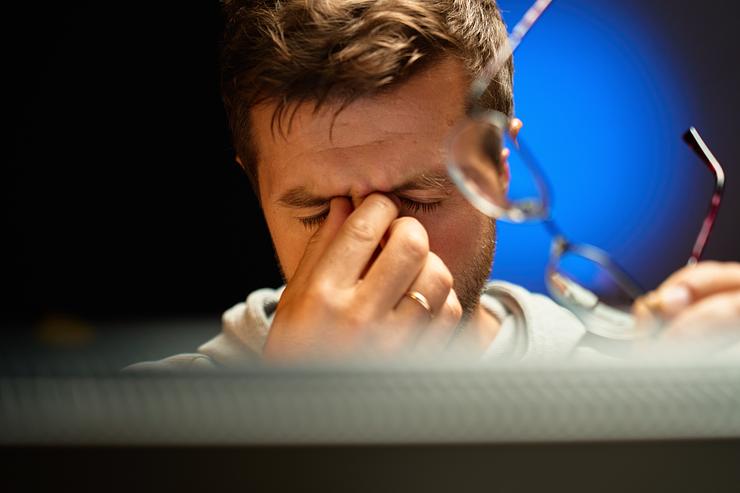
The 20-20-20 rule is a simple eye health technique: every 20 minutes, take a 20-second break to look at something 20 feet away. This practice helps reduce digital eye strain by allowing your ciliary muscles—which control your eye's focusing lens—to relax from constant close-up screen work. Regular use of the 20-20-20 rule can prevent symptoms like tired eyes, blurred vision, headaches, and dry eyes that affect millions of screen users daily.
What Is the 20-20-20 Rule for Eye Health
The 20-20-20 rule is a straightforward technique designed to reduce digital eye strain: take a 20-second break every 20 minutes to focus on something 20 feet away. This method allows your eye muscles to relax from the constant close-up focus required for screen work.
Your ciliary muscles control your eye's lens for focusing. When you look at nearby objects like computer screens, phones, or tablets for extended periods, these muscles remain contracted. The 20-20-20 rule works by giving these hardworking muscles a chance to relax and reset.
- Tired, burning eyes
- Blurred or double vision
- Persistent headaches
- Dry, irritated eyes
- Neck and shoulder discomfort
The beauty of the 20-20-20 rule lies in its simplicity. No special equipment needed; no complex instructions to follow. Just a conscious effort to give your eyes regular breaks throughout the day. This preventive measure can significantly reduce the discomfort associated with our screen-heavy lifestyles.
How to Practice the 20-20-20 Rule Correctly
Making the 20-20-20 rule part of your daily routine requires intentional planning. Time flies when you're absorbed in work or entertainment—suddenly three hours have passed without a single break.
Setting Up Your 20-Minute Reminders
Phone alarms, computer apps, or smartwatch notifications can serve as your digital assistant for eye health. Set recurring alerts every 20 minutes throughout your workday. Many apps specifically designed for the 20-20-20 rule offer gentle reminders without disrupting your workflow.
Visual cues work equally well: place sticky notes on your monitor's edge or position a small timer on your desk. These physical reminders help establish the habit until taking breaks becomes second nature.
Finding Your 20-Foot Focus Point
Identify objects approximately 20 feet away—about 6 meters or the length of a small conference room. Window views, hallway artwork, or distant wall decorations all work perfectly. This distance allows your focusing muscles to fully relax.
Working in a cramped office? Looking out a window at trees, buildings, or the horizon provides the same muscle-relaxing benefits. Even gazing down a long corridor gives your eyes the distance they need to reset and recover from close-up screen work.
Why Blinking Matters During Computer Use
Your eyes naturally blink about 15-20 times per minute—but that rate plummets to as few as 5 blinks per minute when you're focused on a screen. This dramatic decrease happens because your brain prioritizes processing visual information over maintaining eye comfort.
Blinking spreads a fresh layer of tears across your eye surface with each closure. Without enough blinks, that protective tear film evaporates, leaving your eyes exposed and uncomfortable. The result? That familiar gritty, burning sensation that makes you want to rub your eyes by mid-afternoon.
During your 20-second breaks, practice conscious blinking exercises: slowly close your eyes completely, pause for a full second, then open them. This deliberate action helps rewet your eyes more effectively than rapid, incomplete blinks.
Air-conditioned offices compound the problem by creating low-humidity environments where tears evaporate even faster. Computer users in these settings often experience more severe dryness symptoms, making regular blinking breaks essential for maintaining eye comfort throughout the workday.
Did You Know? Each blink lasts only about 1/10th of a second, yet in that brief moment, your eyes perform crucial maintenance—cleaning debris, spreading nutrients, and refreshing the tear film that keeps your vision clear.Scientific Evidence Supporting the 20-20-20 Rule
Research on Digital Eye Strain Reduction
Studies examining the 20-20-20 method reveal promising results for screen users. Participants who took regular breaks every 20 minutes reported significant improvements: less eye fatigue, fewer headaches, and enhanced visual comfort after just two weeks of consistent practice.
Research shows the rule particularly excels at reducing discomfort and dry eye symptoms. However, improvements in binocular vision—how well your eyes coordinate together—may require more time. Similarly, measurable changes in tear production often take longer than two weeks to manifest.
Effectiveness for Different Screen Users
Office workers experience dramatic benefits from the 20-20-20 rule. Those who implemented regular breaks reported a 40-50% reduction in end-of-day eye fatigue compared to colleagues who worked continuously. This improvement proves especially valuable for people using computers 6+ hours daily.
Students and gamers also benefit from this practice, experiencing better focus and reduced eye strain during marathon study or gaming sessions. The challenge? Their deep engagement with screens often requires extra reminders—setting multiple alarms or using specialized apps becomes essential for maintaining the habit.
Key Finding: While individual results vary, consistent application of the 20-20-20 rule helps most screen users experience noticeable relief from digital eye strain symptoms within weeks.Additional Eye Care Tips Beyond the 20-20-20 Rule
Optimizing Your Screen Setup
While the 20-20-20 rule provides excellent relief, your workspace arrangement plays an equally vital role in preventing digital eye strain. Position your computer monitor 20-26 inches from your eyes—roughly an arm's length away. The top of your screen should sit at or slightly below eye level, allowing your eyes to look slightly downward when viewing the middle of the screen.
Screen brightness demands careful attention: match it to your surrounding environment. Your monitor shouldn't be the brightest or darkest object in your field of view. Increase text size to at least 12 points to minimize squinting—your eyes will thank you after those long workdays.
Managing Lighting and Glare
Glare forces your eyes to work overtime, accelerating fatigue. Position your screen perpendicular to windows rather than facing them directly. Use blinds or curtains to control natural light throughout the day, and avoid placing bright lights directly behind or in front of your monitor.
Quick Tip: A matte screen protector can dramatically reduce reflections from overhead lighting. Alternatively, tilt your monitor slightly to minimize glare—even small adjustments make a significant difference in visual comfort.Common Misconceptions About the 20-20 Rule Name
Distinguishing From Other 20-20 Rules
The internet's love for catchy number patterns has created confusion around the 20-20-20 rule for eyes. You might stumble across the minimalist decluttering rule—replace items under $20 in 20 minutes—or the weight loss eating rule featuring 20p-sized bites, chewing 20 times, and stopping after 20 minutes. These concepts share nothing with eye care except their numerical coincidence.
Vision measurements add another layer of confusion: 20/20 represents normal visual acuity, measuring how clearly you see at 20 feet. The 20-20-20 rule's numbers serve a different purpose entirely—they're time and distance intervals specifically designed to give your eye muscles regular rest periods during screen use.
Understanding What the Rule Can and Cannot Do
The 20-20-20 rule excels at preventing and reducing digital eye strain symptoms, but it won't improve your vision prescription or cure existing eye conditions. Think of it as preventive maintenance rather than treatment.
Did You Know? The 20-20-20 rule works best as part of a comprehensive approach—combine it with proper ergonomics, good lighting, and conscious blinking habits for maximum effectiveness.While this simple technique significantly reduces eye discomfort, it cannot replace regular comprehensive eye exams with your eye doctor, who can detect conditions that may have no obvious symptoms.
FAQ
What is the 20-20-20 rule for eye health?
How does the 20-20-20 rule help prevent digital eye strain?
Who benefits most from using the 20-20-20 rule?
How can you remember to practice the 20-20-20 rule during screen time?
What should you focus on during the 20-second break in the 20-20-20 rule?
Does blinking play a role in reducing digital eye strain when using the 20-20-20 rule?
Can the 20-20-20 rule improve your eyesight or cure eye conditions?
Is the 20-20-20 rule the same as having 20/20 vision?