

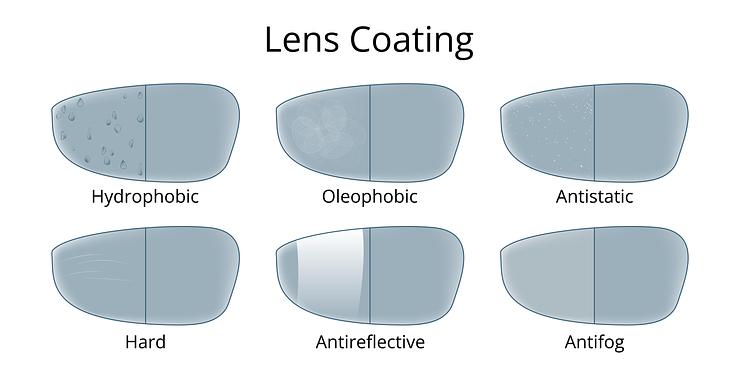
Anti-fog lens treatments prevent fogging by reducing surface tension on lenses, causing moisture to spread into a thin, transparent film instead of forming vision-obscuring droplets. These permanent coatings, integrated during manufacturing, maintain clear vision during temperature changes, mask-wearing, and physical activities. Key advantages include enhanced safety while driving, improved performance during sports, and long-term cost savings compared to temporary solutions. Anti-fog treatments typically last about one year and eliminate the need for frequent cleaning or reapplication of sprays and wipes. Whether you're navigating Canadian winters, working in healthcare, or simply tired of constantly cleaning foggy lenses, anti-fog lens treatments offer a practical solution to a frustrating daily challenge. These specialized coatings transform how your glasses handle moisture and temperature changes — keeping your vision clear when you need it most.
How Anti-Fog Lens Treatments Work to Prevent Fogging
Anti-fog coatings reduce surface tension on lenses, preventing water vapor from forming tiny droplets that scatter light and create fog. Instead, the coating causes moisture to spread into a thin, transparent film across the lens surface that doesn't obstruct vision.
The technology originated from NASA research in the 1960s when scientists needed to prevent astronauts' helmet visors from fogging in space environments with extreme temperature variations and no air circulation.
Unlike temporary solutions that sit on top of the lens, permanent anti-fog treatments are integrated into the lens material during manufacturing, creating a molecular bond that resists wearing off from cleaning or environmental exposure.
Key Safety and Performance Benefits of Anti-Fog Treatments
How Anti-Fog Lenses Enhance Daily Safety
Anti-fog treatments eliminate dangerous vision obstructions that occur during critical activities like driving, where sudden fogging from temperature changes — such as entering a warm car on a cold day — can create hazardous blind spots lasting several seconds. Healthcare workers and people wearing face masks benefit significantly as anti-fog lenses prevent the constant fogging caused by warm breath being directed upward onto cool lens surfaces, maintaining clear vision for medical procedures or daily tasks.
Why Athletes and Active People Need Anti-Fog Protection
During physical activities, body heat and perspiration create humidity around glasses that would normally cause severe fogging, but anti-fog treatments maintain clear vision even during intense workouts or outdoor sports in varying weather conditions. Workers in industrial settings, kitchens, or laboratories gain crucial safety advantages as anti-fog lenses prevent vision loss when moving between different temperature zones or working near steam and heat sources.
The advantages of anti-fog lens treatments extend beyond convenience — they provide essential protection in situations where clear vision directly impacts safety and performance. Whether you're a healthcare professional, athlete, or someone who works in challenging environments, these specialized lens coatings help maintain uninterrupted vision when it matters most.
Long-Term Cost Effectiveness of Anti-Fog Coatings
While anti-fog coatings add initial cost to eyeglasses, they eliminate ongoing expenses for temporary solutions like anti-fog sprays, wipes, or gels that typically cost $10-20 monthly and require multiple daily applications. The coating's durability of approximately one year means users avoid the time investment and frustration of constantly cleaning fogged lenses or applying temporary treatments that can leave residue or streaks.
For glasses wearers, anti-fog coatings protect the investment in expensive lenses by reducing the need to frequently remove and clean glasses, which can lead to scratches or drops that damage frames and lenses. The financial advantages of anti-fog lens treatments become clear when calculating the cumulative cost of temporary solutions: over a year, sprays and wipes can exceed $200, while professional anti-fog coating typically costs less upfront.
Beyond monetary savings, consider the time value — each daily application of temporary solutions takes several minutes, adding up to hours annually. Anti-fog treatments also preserve lens quality longer, potentially extending the lifespan of your eyewear investment. When discussing lens options with your eye doctor, ask about anti-fog coatings as part of a comprehensive lens package that may include other protective features.
Environmental Conditions Where Anti-Fog Treatments Excel
Managing Temperature Transitions and Weather Changes
Anti-fog coatings handle rapid temperature shifts like moving from air-conditioned buildings to humid outdoor environments, preventing the immediate fogging that normally occurs when warm, moist air contacts cooler lens surfaces. In cold climates, anti-fog treatments prevent the frustrating cycle of glasses fogging when entering heated buildings, then clearing slowly while vision remains impaired for minutes.
Canadian winters create particularly challenging conditions — stepping from -20°C outdoor temperatures into heated shops or offices can instantly fog unprotected lenses. The advantages of anti-fog lens treatments shine during these extreme transitions, maintaining clear vision when you need it most.
Humidity and Moisture-Rich Environments
Kitchen environments with steam from cooking, dishwashers, and ovens create constant fogging challenges that anti-fog coatings overcome by maintaining clear vision despite high moisture levels. Whether you're checking pasta water or opening the dishwasher mid-cycle, treated lenses stay crystal clear.
Outdoor activities in rain, fog, or near water bodies benefit from anti-fog protection as the coating prevents moisture accumulation that would otherwise make glasses unusable in these conditions. From Vancouver's rainy season to Maritime fog, anti-fog treatments excel where traditional lens coatings struggle.
Comparing Anti-Fog Solutions: Permanent Coatings vs Temporary Methods
Permanent anti-fog coatings provide consistent protection without user intervention, while sprays and wipes require remembering to apply them and carrying supplies, often failing when needed most due to incomplete coverage or wearing off. Think about fumbling for anti-fog spray in your car while running late — permanent coatings eliminate this hassle entirely.
The molecular structure of permanent coatings creates uniform fog resistance across the entire lens surface, whereas manual applications often leave streaks, missed spots, or buildup that can actually attract more moisture and debris. Every swipe with a spray-soaked cloth risks uneven coverage; one missed spot near the lens edge could fog at the worst possible moment.
Did You Know? The same surfactant technology in anti-fog sprays is found in many household dish soaps — which explains why some people resort to the "soap trick" on their lenses!
Anti-fog coatings maintain optical clarity without the film or haze that temporary solutions can leave behind, preserving the full light transmission and colour accuracy that prescription lenses are designed to provide. Your eye doctor carefully calculates your prescription for optimal vision; temporary treatments may compromise these precise optics with residue buildup over time.
Maintenance and Lifespan Considerations for Anti-Fog Lenses
Anti-fog coatings typically maintain effectiveness for about one year with normal use, gradually declining in performance rather than failing suddenly, allowing users to plan for recoating or replacement. Unlike a scratched lens that needs immediate attention, anti-fog treatments slowly lose their water-repelling properties over months — giving you time to budget for your next pair.
Proper care involves using microfiber cloths and approved lens cleaners, as harsh chemicals or abrasive materials can damage the coating's molecular structure and reduce its fog-preventing properties. Avoid paper towels, tissues, or your shirt hem; these materials contain tiny fibres that act like sandpaper on the delicate coating surface.
Did You Know? Window cleaners containing ammonia can strip anti-fog coatings in just a few applications — yet many people unknowingly use these products on their glasses!
Signs that anti-fog coating needs renewal include:
- Increased fogging in previously manageable situations
- Uneven fog patterns on the lens surface
- Visible wear spots where the coating has thinned from repeated cleaning
Your eye doctor can assess coating wear during regular checkups and recommend when replacement makes sense based on your lifestyle and visual needs.
FAQ
What is the main advantage of anti-fog lens treatments compared to temporary solutions like sprays or wipes?
How do anti-fog lens treatments enhance safety during driving or outdoor activities?
Why are anti-fog lens treatments important for healthcare workers and mask wearers?
What makes anti-fog lens coatings more cost-effective over time than using sprays or wipes?
How do anti-fog lens treatments perform in extreme weather or temperature changes?
Do anti-fog lens treatments affect the optical quality or color of prescription lenses?
How long do anti-fog lens treatments typically last, and how can you tell they need replacement?
What is the best way to care for glasses with anti-fog lens treatments to make them last longer?