

Best Daily Contact Lenses: Top Picks for Comfort and Clear Vision
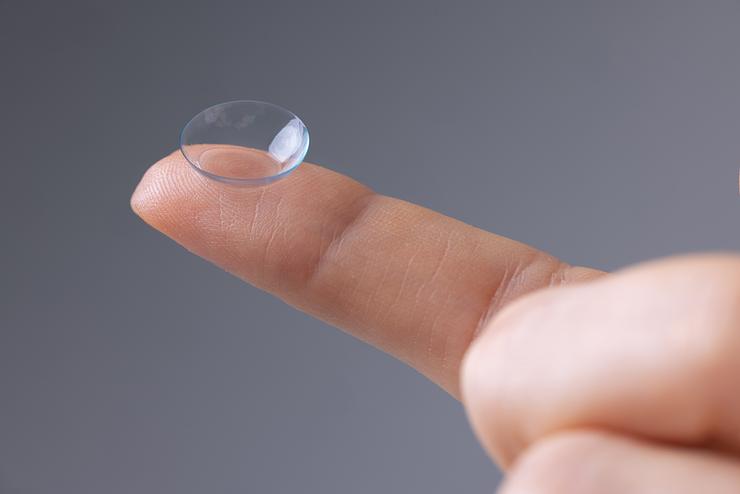
Daily contact lenses are single-use soft lenses worn once and discarded at the end of the day, eliminating the need for cleaning solutions or storage cases. Often considered among the best daily contacts for hygiene and convenience, they reduce the risk of infection caused by protein buildup or improper cleaning.
Daily disposables are typically prescribed after a comprehensive eye exam and contact lens fitting with a licensed eye doctor. They come in three main categories:
- Single vision — for nearsightedness or farsightedness
- Toric — for astigmatism (an irregularly shaped cornea)
- Multifocal — for presbyopia and combined near/far vision needs
If you've ever wondered whether daily disposables might be the right fit for your lifestyle — or your family's — you're not alone. With so many lens options available across Canada, picking the best daily contacts can feel overwhelming. The good news is that your eye doctor can help match you with a lens designed for your prescription, comfort needs, and daily routine.
What Are Daily Contact Lenses?
Daily contact lenses, sometimes called daily disposables, are soft lenses designed for a single day of wear. You open a fresh pair each morning and toss them out before bed — no lens solution, no storage case, no cleaning routine required. This sets them apart from bi-weekly or monthly lenses, which need to be cleaned and stored between uses.
What are daily lenses made of? Most are crafted from soft, flexible materials called hydrogels or silicone hydrogels. Silicone hydrogel lenses tend to allow more oxygen to reach the surface of the eye, which may help keep your eyes feeling fresher and healthier throughout the day.
Daily Contacts vs. Other Lens Types: What Is the Difference?
Choosing between daily disposables and reusable lenses often comes down to lifestyle, budget, and eye health priorities. Here's how the two stack up.
Reusable lenses, like bi-weekly or monthly contacts, need to be cleaned with lens solution each night and stored in a clean case. When cleaning routines slip, bacteria and protein deposits may build up on the lens surface, raising the risk of eye irritation or infection. Daily lenses sidestep this entirely — each pair is worn once, then discarded.
Cost-wise, monthly lenses tend to look cheaper per box, but once you factor in solutions and cases, the gap narrows. For part-time wearers who only reach for contacts a few days a week, daily disposables can actually be the more economical pick.
Are Daily Contacts Better for Eye Health?
Because daily lenses are tossed at the end of the day, there's less chance for protein, lipids, or allergens to accumulate on the lens — a meaningful perk for anyone with seasonal allergies. Canadian doctors of optometry often suggest daily lenses for new wearers, kids, and part-time users because they're simpler to manage and tend to carry a lower infection risk.
What Makes a Daily Contact Lens Comfortable?
Comfort isn't a single feature — it's the result of how the lens material, moisture, and fit work together on your unique eye shape.
Water content is the percentage of water held inside the lens material. A higher number can feel refreshing at first, though it may also dry out faster in air-conditioned offices or during a dry Canadian winter. Silicone hydrogel lenses help offset this by letting oxygen pass directly through the material, so your eyes can stay healthy even as moisture levels shift.
That breathability is measured as Dk/t, or oxygen transmissibility. Since the cornea has no blood vessels, it draws oxygen straight from the air — and a higher Dk/t generally means less redness and less end-of-day dryness.
Two measurements drive how a lens sits on your eye: the base curve (BC) and the diameter. A well-fitted lens stays centered, shifts slightly with each blink, and feels almost unnoticeable. These values are determined during a fitting with your eye doctor — they aren't something you can guess at home.
Some daily lenses also include built-in lubricants like hyaluronic acid, which can help maintain comfort during long screen-heavy days.
Best Daily Contacts for Specific Vision Needs
Different prescriptions call for different lens designs — and the best daily contacts for one person may not suit another. Here's how daily disposables address three of the most common vision needs.
Daily Contacts for Astigmatism: Astigmatism happens when the cornea or internal lens is shaped more like a football than a sphere, which causes standard round lenses to rotate and blur vision. Toric daily lenses are built with different powers across the lens and a stabilization system that keeps them properly oriented throughout the day. Higher prescriptions may have fewer daily options available, so your eye doctor can help confirm whether a toric daily fits your prescription range.
Daily Contacts for Dry Eyes: Dry eye disease — when tears are insufficient or evaporate too quickly — doesn't necessarily rule out contact lenses, but lens choice matters. Silicone hydrogel dailies with moisture-retaining technology often perform better than standard hydrogels. For more severe cases, such as Sjögren's syndrome, an optometrist may suggest scleral lenses, which vault over the cornea and hold a saline reservoir against the eye.
Daily Contacts for Presbyopia and Multifocal Needs: Presbyopia — the age-related decline in near focus that usually begins around 40 — can be addressed with multifocal daily lenses, which combine distance, near, and sometimes intermediate zones in a single lens. Fitting them takes patience, since your eye doctor may trial several designs while your brain adjusts to processing multiple focal points at once.
Who Should (and Should Not) Wear Daily Contacts?
Daily disposables suit a wide range of people, but they aren't right for everyone. They tend to work well for:
- Children and teenagers, with parental supervision
- Part-time wearers who switch between glasses and contacts
- Allergy sufferers who want to avoid pollen buildup on reusable lenses
- Frequent travellers who would rather skip packing solution and cases
Because eye shape and prescriptions can shift over time, an annual contact lens exam with your eye doctor helps confirm the fit and prescription still match your eyes.
Some conditions call for extra caution. People with glaucoma — where pressure inside the eye may damage the optic nerve — aren't automatically excluded from contacts, but certain pressure-lowering drops can interact poorly with lens materials, and lenses may complicate pressure monitoring. A conversation with your ophthalmologist should come first.
One rule applies to every wearer: daily contacts are not designed for sleep. Even a single overnight wear can sharply raise the risk of microbial keratitis, a corneal infection that may lead to permanent vision loss. If you doze off with lenses in, remove them as soon as you wake, give your eyes a rest day, and start fresh the next morning.
How to Get the Right Daily Contact Lens in Canada
Finding the right daily lens in Canada starts with a regulatory reality: contact lenses are classified as medical devices, which means a valid prescription from a licensed optometrist or ophthalmologist is required before you can purchase them. A contact lens prescription is separate from a glasses prescription and includes specific measurements — base curve, diameter, and the lens brand or material your eye doctor has chosen for your eyes.
During a fitting, your eye doctor will measure your cornea, assess your tear film, and trial a few options before settling on a final prescription. Toric and multifocal fittings may take more than one visit, and follow-ups help confirm the lenses are treating your eyes well — even when everything feels fine.
Did You Know? Your contact lens prescription typically expires after one to two years in Canada, since eye shape and vision can shift over time.
Once you have a valid prescription, you can order contact lenses through your eye doctor's office or a licensed Canadian retailer that verifies prescriptions. Skipping that verification step — especially with international sellers — can mean receiving lenses that don't match your actual measurements.
FAQ
What are daily contact lenses?
Are daily contacts better for hygiene than reusable lenses?
What types of daily contacts are available?
What makes a daily contact lens comfortable?
Are daily contacts a good option for astigmatism?
Can people with dry eyes wear daily contacts?
Who are daily contacts often best for?
Do you need a contact lens exam and prescription to buy daily contacts in Canada?