

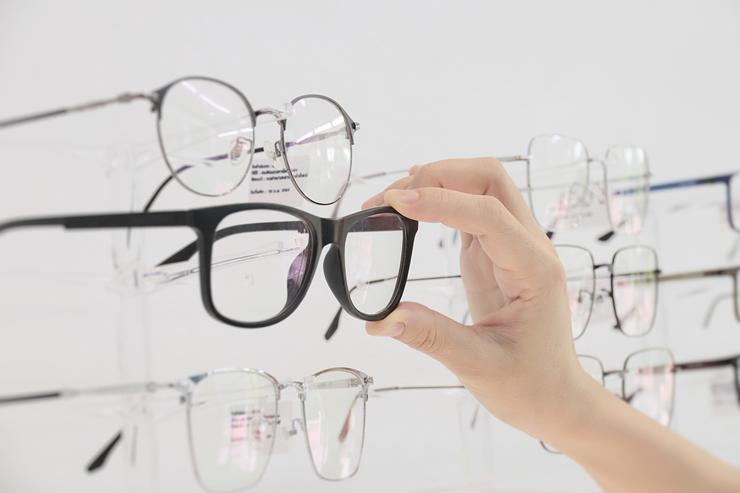
To buy glasses online, start by obtaining a current prescription from your eye doctor, including sphere, cylinder, and axis values. Measure your pupillary distance (PD) — the space between your pupils in millimeters — using a ruler and mirror or ask your optometrist. Find frame measurements from glasses that fit well (look for three numbers like 52-18-140 on the temple arm). Upload your prescription, select frames (often with virtual try-on), choose lens type and coatings, then purchase. Most reputable retailers offer 30-day return policies and support.
Understanding the Basics of Buying Glasses Online
Shopping for eyewear from the comfort of your home has transformed how Canadians access vision correction. With the right preparation and knowledge, purchasing glasses online can be straightforward and cost-effective. Whether you're looking for your first pair or adding to your collection, understanding the process helps ensure you receive glasses that meet both your vision needs and personal style preferences.
Before you begin shopping for glasses online, gather three essential pieces of information: your current prescription, pupillary distance measurement, and frame dimensions that work for your face. Your prescription should include sphere (SPH), cylinder (CYL), and axis values. The pupillary distance, measured in millimeters, ensures your lenses align properly with your eyes. Frame measurements appear as three numbers on your current glasses' temple arm: lens width, bridge width, and temple length.
Prescription glasses require a valid prescription from an optometrist to correct vision problems like nearsightedness, farsightedness, or astigmatism. Non-prescription glasses — often called plano lenses — serve fashion purposes or provide blue light protection without vision correction. These don't require medical documentation.
Canadian law protects your right to shop wherever you choose: your doctor of optometry must provide a copy of your prescription after an exam. This prescription belongs to you; use it at any retailer, whether that's where you had your exam or an online provider offering better prices or selection.
Essential Measurements and Prescription Information
How to Read Your Prescription
Your eyeglass prescription contains specific values that determine how your lenses correct your vision. Sphere (SPH) measures the lens power needed to correct nearsightedness (negative numbers) or farsightedness (positive numbers). Cylinder (CYL) and Axis work together — CYL indicates the amount of astigmatism correction needed, while Axis specifies the angle (1-180 degrees) where this correction should be applied. For those over 40, Add power may appear, indicating additional magnification for reading glasses or progressive lenses.
Pupillary distance (PD) measures the space between your pupils in millimeters. This measurement ensures your lenses' optical centers align with your eyes. While some prescriptions include PD, many don't — measure it yourself using a ruler and mirror, or ask your optometrist during your next visit.
Understanding Frame Measurements
Check the inside of your current glasses' temple arm for three numbers separated by dashes: lens width (48-60mm), bridge width (14-24mm), and temple length (135-150mm). These dimensions help you select frames that fit similarly to your current pair.
For bifocals or progressive lenses, vertical lens height matters — you'll need at least 30mm to accommodate different vision zones properly.
Step-by-Step Online Ordering Process
Start by browsing frames that complement your face shape — virtual try-on tools let you preview styles through your device's camera before committing. Once you've selected frames, you'll need to input your prescription details exactly as they appear on your document, including any prism corrections for eye alignment issues.
Choose your lens type based on your vision needs:
- Single vision for distance or reading
- Bifocal for two distinct viewing areas
- Progressive for seamless transition between distances
Lens material affects both weight and thickness. Polycarbonate offers impact resistance and built-in UV protection, while high-index materials create thinner lenses for stronger prescriptions. Standard plastic works well for mild prescriptions.
Essential lens coatings enhance your daily experience:
- Anti-reflective coating reduces glare from screens and headlights
- Blue light filtering helps with extended computer use
- Photochromic lenses automatically adjust to sunlight
Each coating addresses specific lifestyle needs — night drivers benefit from anti-reflective treatments, while outdoor enthusiasts might prefer photochromic options. Consider your daily activities when selecting these features to maximize your investment.
Choosing the Right Online Retailer
Evaluating Retailer Credibility
A trustworthy online glasses retailer displays clear policies upfront. Look for 30-day return windows minimum, comprehensive warranty coverage on both frames and lenses, and transparent pricing that reveals all fees before checkout. Hidden charges for stronger prescriptions or specialized coatings signal poor business practices.
Customer service accessibility matters when ordering prescription eyewear online. Multiple contact methods — phone support during business hours, email response within 24 hours, and live chat features — indicate a retailer prepared to address prescription questions or concerns. Order tracking from purchase through delivery provides peace of mind for your investment.
Understanding Price Variations
Online glasses prices vary dramatically: basic frames with standard lenses start around $20-50, while designer styles featuring advanced lens technologies reach $200-500 or more.
Key pricing factors include:
- Frame material: plastic costs less than titanium or memory metal
- Lens index: high-index materials for strong prescriptions increase costs
- Coating packages: anti-reflective, blue light, and photochromic add value
- Brand recognition: designer names command premium prices
Factor shipping fees and potential insurance reimbursements into your budget calculations. Prioritize features matching your lifestyle — computer users benefit from blue light protection, while active individuals need durable frame materials.
Common Pitfalls and How to Avoid Them
Red flags signal trouble when learning how to buy glasses online. Sites plagued by negative reviews, vague return policies, or delivery times exceeding three weeks often disappoint customers. Unresponsive customer support — emails ignored, phone calls unanswered — reveals retailers unprepared to handle prescription eyewear complexities.
Ordering mistakes cost time and money. Double-check every prescription value: sphere, cylinder, axis, and add power must match your eye doctor's documentation exactly. An incorrect pupillary distance causes eye strain, headaches, and blurred vision; even 2mm off creates discomfort.
Insurance navigation requires understanding payment options. FSA and HSA accounts typically cover prescription eyewear purchases online. While direct insurance billing remains rare for online purchases, reputable sites provide detailed receipts for out-of-network reimbursement claims. Keep documentation organized: prescriptions expire after one to two years depending on your province, and insurance companies require current dates for coverage.
Making the Most of Your Online Purchase
Maximizing Value and Convenience
Virtual tools transform the experience of learning how to buy glasses online. Face shape guides match frames to your features — round faces suit angular styles, while square faces benefit from softer curves. Virtual try-on technology uses your device's camera to preview glasses directly on your face. Live chat support connects you with optical professionals who answer prescription questions and suggest frame alternatives in real-time.
Planning for adjustments saves frustration. Online glasses typically arrive pre-adjusted, yet minor tweaks often enhance comfort. Temple arms may need bending, nose pads require repositioning, or frames sit slightly crooked. Local optical shops usually adjust glasses for $10-20, regardless of purchase origin.
Post-Purchase Considerations
Warning signs demand immediate action: persistent headaches, blurry vision, or discomfort after three days suggest prescription errors or measurement mistakes. Contact retailers promptly — reputable companies prioritize resolving these issues through exchanges or refunds.
Proper maintenance extends eyewear lifespan. Microfiber cloths remove smudges without scratching; lens cleaners dissolve stubborn fingerprints. Protective cases prevent crushing in bags or pockets. Sales present opportunities for backup pairs — multiple-pair discounts often reach 40-50% off, providing insurance against loss or damage while saving money long-term.
FAQ
What information do I need before buying glasses online?
How do I measure my pupillary distance (PD) for online glasses?
How can I make sure online glasses will fit my face?
What types of lenses and coatings should I consider when ordering glasses online?
How do I know if an online glasses retailer is trustworthy?
What are common mistakes to avoid when buying glasses online?
What should I do if my new online glasses feel uncomfortable or vision is blurry?