

A comprehensive eye exam in Mississauga is a thorough evaluation of your vision and eye health that typically takes between half an hour and about an hour. During the exam, your optometrist will assess visual acuity, check for refractive errors like nearsightedness or astigmatism, examine eye muscle function, and evaluate the internal structures of your eyes using advanced imaging technology. These exams can detect early signs of eye diseases such as glaucoma, cataracts, and macular degeneration, as well as systemic health conditions like diabetes and high blood pressure.
In Ontario, OHIP covers annual eye exams for children and older adults, while many working-age adults typically pay out of pocket unless they have specific medical conditions or private insurance coverage. Your eyes tell a story about your overall health — one that only a trained eye doctor can fully interpret.
Understanding Comprehensive Eye Exams in Mississauga
A comprehensive eye exam is a detailed assessment that goes beyond checking if you need glasses — it examines your visual clarity, eye muscle function, peripheral vision, and the internal health of your eyes using advanced imaging technology. Unlike the quick vision test you might remember from school or the DMV, these thorough evaluations paint a complete picture of your eye health.
These in-depth exams differ from basic vision screenings by including multiple specialized tests:
Pupil response evaluation to assess nervous system function
Intraocular pressure measurement for glaucoma detection
Retinal imaging to spot early signs of diseases
Visual field testing to map your complete range of vision
Eye muscle coordination checks to ensure proper alignment
What Happens During Your Eye Exam in Mississauga
Your exam begins with a comprehensive review of your vision and health history, where the optometrist asks about current symptoms, medications, family history of eye diseases, and lifestyle factors that might affect your vision. This conversation covers everything from whether you experience headaches while reading to how many hours you spend looking at digital screens each day.
This personalized approach helps tailor the exam to your specific needs. Your eye doctor considers factors such as:
Occupation and hobbies: Computer programmers may need different vision solutions than landscapers
Medical conditions: Diabetes or high blood pressure require closer monitoring
Family history: Glaucoma or macular degeneration in relatives increases your risk
Current medications: Some drugs can affect vision or eye health
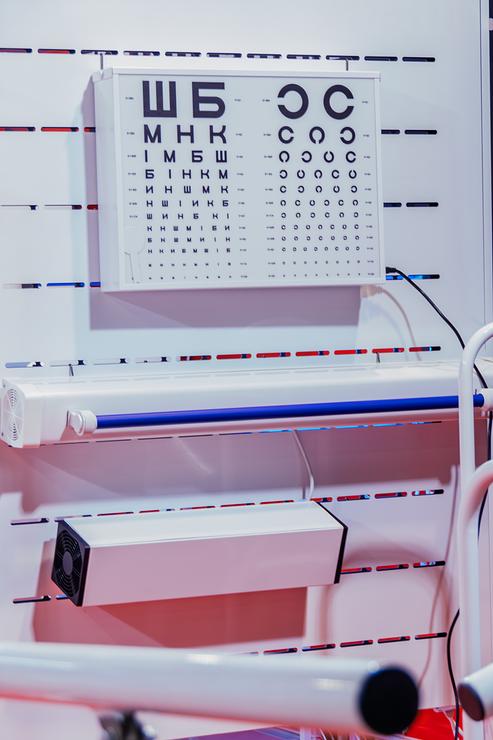
Visual acuity testing measures how clearly you can see at different distances using the familiar eye chart. Refraction testing uses a device called a phoropter — that machine with multiple lenses your doctor flips through while asking "which is better, one or two?" Eye muscle function tests check how well your eyes work together and track moving objects, which is especially important for children's learning and development.
Eye Exam Costs and Coverage in Ontario
In Ontario, eye exam costs vary depending on the clinic type and any additional testing required for adults who do not have OHIP coverage. OHIP covers annual eye exams for children and older adults, plus it covers exams for adults with specific medical conditions affecting their eyes like diabetes, glaucoma, or cataracts.
Vision insurance plans often cover routine eye exams with small copays, while additional tests like retinal imaging or OCT scans may cost extra depending on your coverage. Many workplace benefit packages include vision care — check with your HR department to understand your specific coverage.
How Often Should Mississauga Residents Get Eye Exams
Adults aged sixty five and older should have annual eye exams because they face higher risks of age-related conditions like cataracts, glaucoma, and macular degeneration that can develop quickly. For adults between early adulthood and retirement age with no vision problems or risk factors, exams every couple of years typically suffice — but those with diabetes, high blood pressure, or family history of eye disease should schedule annual visits.
Children need their first eye exam during infancy, another exam during preschool years, and then annual exams throughout school years to catch vision problems that could affect learning. Since most classroom learning happens visually, undetected vision issues can significantly impact academic performance.
Special circumstances requiring more frequent exams include:
People who wear contact lenses need annual exams to ensure proper fit and check for corneal changes or infections
Those experiencing sudden vision changes, eye pain, flashes of light, or new floaters should seek immediate examination rather than waiting
Advanced Technology Used in Mississauga Eye Exams
Optical Coherence Tomography (OCT) creates detailed cross-sectional images of your retina, allowing eye doctors to detect problems like macular degeneration, diabetic retinopathy, and glaucoma years before symptoms appear. This technology works like an ultrasound but uses light waves instead of sound — capturing images at microscopic resolution.
Digital retinal photography and Optomap® imaging capture ultra-wide images of your retina without dilation, making it easier to monitor changes over time and detect issues in the peripheral retina where problems often start. The Optomap® can photograph most of your retina in a single image, compared to traditional methods that capture only a small portion.
Visual field testing maps your complete field of vision to detect blind spots or vision loss patterns that might indicate glaucoma, stroke, or neurological conditions before you notice any vision changes. During this test, you'll focus on a central point while lights flash in your peripheral vision.
What Eye Exams Can Detect Beyond Vision Problems
Your eyes serve as windows into your overall health — comprehensive eye exams can reveal early signs of systemic health conditions like diabetes through bleeding or swelling in retinal blood vessels. High blood pressure often shows up as damaged blood vessels in the eye, while certain cancers that affect the eye may be detected during routine examinations.
Eye doctors can spot neurological conditions by observing changes in the optic nerve or unusual eye movements. These observations might identify conditions like multiple sclerosis or brain tumors before other symptoms appear. During your eye exam in Mississauga, your optometrist will also check for dry eye syndrome — a condition particularly common in our climate that causes discomfort and vision problems.
Many serious eye conditions like glaucoma and macular degeneration have no early symptoms but may cause permanent vision loss if not caught through regular comprehensive exams. Early detection of systemic diseases through eye exams can lead to prompt treatment by other healthcare providers, potentially preventing serious complications and supporting your eye health.
FAQ
What is included in a comprehensive eye exam in Mississauga?
Are eye exams in Mississauga covered by OHIP or insurance?
How often should residents of Mississauga get an eye exam?
What advanced technology is used during an eye exam in Mississauga?
What health problems besides vision issues can an eye exam in Mississauga detect?
What is the difference between a comprehensive eye exam and a basic vision screening in Mississauga?
When should someone in Mississauga seek an urgent eye exam?