

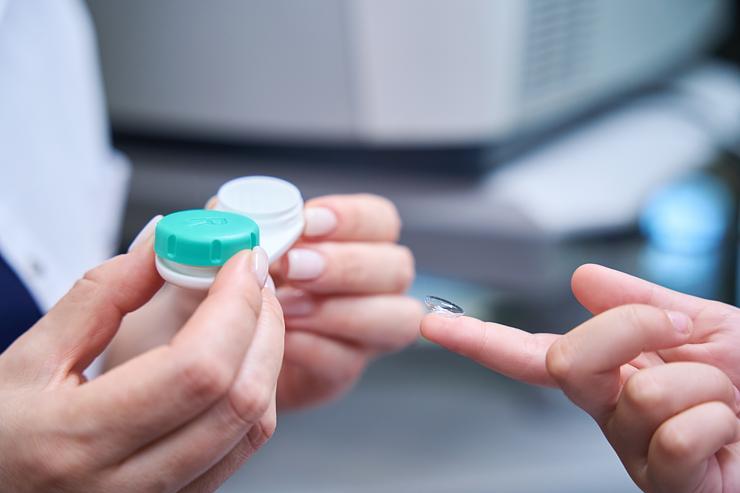
Are you ready to experience the freedom and convenience of contact lenses? Before you can enjoy the benefits of these innovative vision correction devices, you'll need to undergo a contact lens fitting with your eye doctor. This essential appointment is designed to ensure that your new lenses fit comfortably and provide you with optimal vision correction. So, what exactly can you expect during your contact lens fitting: a complete guide to the process awaits!
What is a Contact Lens Fitting?
A contact lens fitting is a specialized eye exam that goes beyond the scope of a regular eye examination. While a standard eye exam assesses your overall eye health and vision, a contact lens fitting focuses specifically on measuring your eyes to determine the best contact lenses for your unique needs. During this appointment, your eye doctor will:
- Measure the curvature of your cornea using advanced technology like corneal topography
- Assess the size of your pupil and iris to ensure the contact lenses fit properly
- Evaluate your tear film to check for any signs of dry eye, which can impact contact lens comfort
By gathering these precise measurements, your optometrist can recommend the most suitable contact lens material, size, and design for your eyes. This personalized approach is crucial for ensuring that your lenses fit comfortably and provide clear, stable vision throughout the day.
Why is an Accurate Contact Lens Fitting Important?
An accurate contact lens fitting is essential for maintaining the health and comfort of your eyes. Poorly fitted contact lenses can lead to a range of issues, such as:
- Eye irritation and discomfort
- Scratches or abrasions on the cornea
- Reduced oxygen flow to the eye, potentially causing damage to the cornea
- Increased risk of eye infections
These problems may arise when the contact lenses are too tight or too loose, or if they don't fit the unique shape of your eye. That's why it's crucial to have a comprehensive contact lens fitting with your eye doctor to ensure that your lenses are tailored to your specific needs.
Moreover, the shape and health of your eyes can change over time, making annual contact lens fittings a must. During these check-ups, your optometrist will reassess the fit of your lenses and make any necessary adjustments to ensure continued comfort and clear vision. They'll also evaluate your eye health to detect any potential issues early on, helping to prevent more serious problems down the line.
How to Prepare for Your Contact Lens Fitting
To ensure a smooth and efficient contact lens fitting, it's essential to come prepared. Gather any relevant information about your eye health history, including previous prescriptions, medical conditions, and medications you're taking. If you currently wear glasses, bring your most recent prescription; this will give your eye doctor a starting point for determining your contact lens needs.
It's also helpful to have an idea of what to expect during the fitting process. A typical appointment may last up to an hour and include several tests, such as:
- Measuring the curvature of your cornea using a keratometer
- Evaluating your tear film to check for dry eyes
- Assessing your pupil and iris size to determine the appropriate contact lens size
Your optometrist will also discuss your lifestyle and visual needs to recommend the most suitable type of contact lenses for you. Be prepared to answer questions about your daily activities, work environment, and preferences regarding lens replacement schedule (daily, weekly, or monthly).
Did You Know? A contact lens fitting is different from a regular eye exam. While an eye exam assesses your overall eye health and vision, a contact lens fitting focuses specifically on measurements and tests required to prescribe the best-fitting lenses for your unique eyes.What Happens During the Contact Lens Fitting Process?
During your contact lens fitting, your eye doctor will perform a series of measurements and tests to determine the best lenses for your unique eyes. This process involves two key components: measuring your eyes and trying different contacts.
Measuring Your Eyes
To ensure a proper fit, your optometrist will use specialized equipment to measure the curvature of your cornea, a process known as keratometry. This helps determine the base curve of the contact lens, which affects how well it fits and how comfortable it feels. Your doctor will also measure your pupil and iris size using a biomicroscope or slit lamp to select the appropriate lens diameter.
Trying Different Contacts
After taking measurements, your eye doctor will have you try on different contact lenses to assess their fit, comfort, and visual acuity. This trial period may involve wearing lenses for a short time in the office and then taking them home for a few days to see how they perform in your daily life. Be sure to provide feedback on any discomfort or vision issues you experience, as this will help your optometrist make adjustments or recommend alternative lenses.
Did You Know? The cornea, the clear front surface of your eye, plays a crucial role in focusing light. Its unique shape varies from person to person, which is why precise measurements are essential for a well-fitting contact lens.How to Care for Your Contact Lenses Post-Fitting
Proper contact lens care is essential for maintaining eye health and preventing infections. After your fitting, your eye doctor will provide instructions on how to clean and store your lenses. Here are some key tips to keep in mind:
- Always wash your hands with soap and water before handling your contact lenses
- Use a clean, lint-free cloth to gently rub your lenses with the recommended solution
- Never use tap water, saliva, or expired solution to clean your lenses
- Store your lenses in a clean case filled with fresh solution when not in use
- Replace your lens case every 3 months or sooner if it becomes damaged or dirty
In addition to caring for your lenses, it's crucial to maintain your lens case properly. Rinse your case with sterile contact lens solution after each use and allow it to air dry upside down on a clean tissue. Avoid using tap water to clean your case, as it can introduce harmful bacteria.
Did You Know? Using fresh contact lens solution is essential for keeping your lenses clean and free from bacteria. Never "top off" old solution in your case; instead, empty it completely and refill with fresh solution each time you store your lenses.Understanding Contact Lens Options and Prescriptions
When it comes to contact lenses, there are various types available to suit different lifestyles and preferences. Some of the most common options include:
- Daily disposable lenses: Designed for single-use, these lenses are discarded at the end of each day, making them a convenient and hygienic choice for those with busy schedules or sensitive eyes.
- Weekly orbi-weekly disposable lenses: These lenses are worn for one to two weeks before being replaced, offering a balance between convenience and cost-effectiveness.
- Monthly disposable lenses: Ideal for those who prefer a longer wearing period, monthly lenses are replaced every 30 days and can be a more economical option for some wearers.
Your eye doctor can help you determine which type of lens is best suited to your individual needs and lifestyle. It's important to note that your eyeglass prescription differs from your contact lens prescription. While an eyeglass prescription measures the power needed to correct your vision with glasses, a contact lens prescription includes additional parameters such as the base curve and diameter of the lens, which are specific to the shape and size of your eye. These measurements are determined during your contact lens fitting to ensure optimal comfort, vision, and eye health.
FAQ
What is a contact lens fitting and why is it important?
How long does a contact lens fitting appointment usually take?
What steps are involved during a contact lens fitting?
Why do contact lenses need more precise measurements than glasses?
How does an eye doctor check if a contact lens fits properly?
What types of contact lenses require special fitting methods?
What should I do if I have pain or redness after a contact lens fitting?