

Contact Lenses for Beginners: Complete Guide to Getting Started
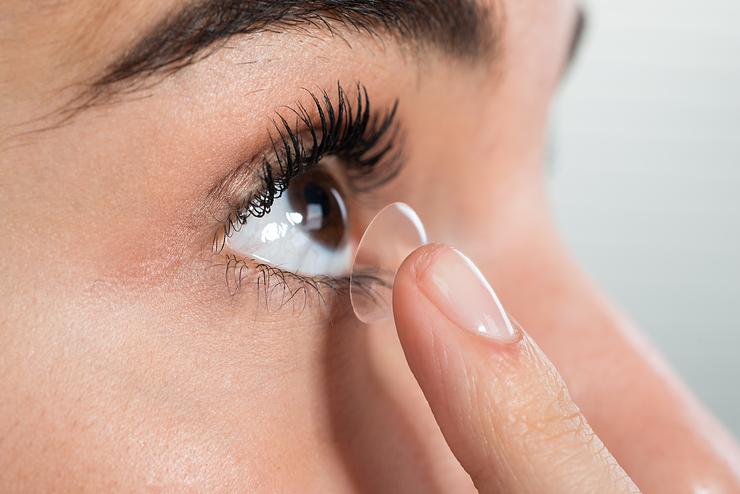
Contact lenses for beginners are prescription medical devices worn directly on the eye to correct vision. Beginners should expect a learning curve with insertion, removal, and daily care, but most new wearers adapt to soft lenses within a few days when hygiene and follow-up appointments are maintained.
Before You Start: Exams, Fitting, and Prescription
Before starting, you need:
- A comprehensive eye exam to check overall eye health
- A separate contact lens fitting to measure your cornea and determine the right lens type
- A valid contact lens prescription including base curve, diameter, and power
- Approval from your eye doctor that contacts are safe for your specific eyes
Starting with contact lenses can feel like a big step, but with the right preparation it becomes a smooth and rewarding part of your daily routine. This guide walks you through everything a first-time wearer should know — from the initial fitting to safe handling and what to watch for along the way. Our doctors of optometry are here to help you find a comfortable, healthy fit that suits your lifestyle.
Contact Lenses for Beginners: What You Need to Know
Contact lenses are medical devices that rest directly on the surface of your eye to correct vision problems such as:
- Nearsightedness (myopia) — trouble seeing things far away
- Farsightedness (hyperopia) — trouble seeing things up close
- Astigmatism — blurry vision caused by an uneven curve in the cornea
Because they sit on your eye, contact lenses for beginners require a valid prescription from an eye doctor — you cannot safely buy them without one in Canada.
Before your first pair, you'll need a contact lens fitting, which is separate from a routine eye exam. Your optometrist measures the size and shape of your eye, checks the health of your cornea, and recommends the lens type that may suit you best. A glasses prescription is not enough; a contact lens prescription includes base curve and diameter.
Contacts may not be the right fit for everyone immediately. People with very dry eyes, active eye infections, or certain eye conditions may need to address those concerns first. Your eye doctor will confirm whether contacts are a safe option based on your overall eye health.
What Are the Different Types of Contact Lenses for Beginners?
Once you've been cleared for contacts, the next step is figuring out which style suits your eyes and lifestyle. There are a couple of key categories worth knowing about.
Soft contact lenses are made from a flexible, water-containing material that gently moulds to the shape of your eye. They tend to be the go-to pick for first-time wearers because they feel comfortable almost right away and the adjustment period is short.
Rigid gas permeable (RGP) lenses are made from a firmer plastic that holds its shape on the eye. They can offer crisp, sharp vision but may take several weeks to adjust to. RGP lenses are typically prescribed for specific conditions like keratoconus rather than as a starting point for healthy-eyed beginners.
People with keratoconus may also be fitted with scleral lenses (large-diameter lenses that vault over the cornea) or hybrid lenses (rigid centre, soft outer ring), all of which require specialist fittings.
Daily Disposables vs. Reusable Lenses
- Daily disposables: Worn once and discarded — no cleaning, no storage, fresh sterile pair every morning.
- Reusable (daily wear) lenses: Worn through the day, cleaned with solution, and stored overnight in a clean case.
- Extended wear lenses: Approved for continuous wear up to 30 days, but carry higher infection risk and aren't usually a first pick.
For help choosing the best contacts, your FYidoctors optometrist can match the right format to your daily routine.
How to Put In and Take Out Contact Lenses for the First Time
Once your fitting is done and you've picked up your first set of lenses, the real practice begins at home. With a bit of patience, most beginners get the hang of it within a few tries.
Before you touch your lenses:
- Wash your hands thoroughly with soap and water.
- Dry them with a lint-free towel — tiny traces of lotion, soap residue, or fibres can irritate your eye or cling to the lens.
To insert a lens:
- 1. Place the lens on the tip of your index finger and check that it looks like a small bowl. If the edges flare outward, it may be inside out.
- 2. Hold your upper eyelid open with your other hand, and pull your lower lid down with your middle finger.
- 3. Gently set the lens directly on your eye, look around slowly to centre it, then blink.
A well-lit mirror makes a noticeable difference, especially in those first few attempts.
To remove a lens: look up, pull down your lower eyelid, slide the lens onto the white of your eye with your index finger, and pinch it gently between your thumb and index finger. Skip the fingernails. If a lens feels stuck, a few drops of rewetting saline can loosen it before you try again.
Contact Lens Care: Cleaning, Storage, and Safety Rules
Comfortable lens wear depends just as much on what happens off your eye as on it. A consistent care routine protects both your lenses and your long-term eye health.
After removing reusable lenses, place each one in your palm, add a few drops of contact lens solution, and gently rub for about 20 seconds per side — even with "no rub" formulas. Rubbing lifts away deposits and microorganisms that soaking alone may miss.
Rinse again with fresh solution, then store in a clean case filled with new solution. Never "top off" old solution. Empty the case completely, rinse it with fresh solution (never water), and refill.
Swap out your lens case every 3 to 6 months, or sooner if it looks cloudy or cracked.
What to Never Do with Contact Lenses
- Skip water entirely. Tap water, bottled water, saliva, pools, lakes, and hot tubs can carry Acanthamoeba, a microorganism linked to serious corneal infections.
- Don't sleep in lenses unless your optometrist has specifically approved it. Closed eyes reduce oxygen flow to the cornea, raising infection risk considerably.
Did You Know? Your lens case can harbour more bacteria than the lenses themselves — that's why air-drying it face-down between uses matters.
Warning Signs and When to Call Your Eye Doctor
Even with a careful routine, your eyes will tell you when something isn't right — and learning to listen is one of the most valuable habits a new wearer can build.
Contact lenses should never hurt. If a lens causes pain, burning, or sharp irritation, take it out right away and check for a tear, trapped debris, or an inside-out shape.
If discomfort lingers after removal — or if your eye looks red, waters heavily, or your vision shifts — leave the lens out and reach your eye doctor the same day. These signals may point to a corneal abrasion or infection.
Redness, light sensitivity, discharge, or blurry vision that doesn't clear are not part of a normal break-in period. A healthy eye adjusting to lenses may feel slightly aware of them, but it should not be painful or inflamed.
Contact Lenses and Specific Eye Conditions
- Ocular hypertension: Lens wear is often possible, but your optometrist may adjust the lens type or schedule based on how your eye pressure is being monitored.
- Astigmatism: Toric lenses are weighted to stay aligned on the eye and come in both daily disposable and reusable formats — your fitting will confirm if they suit you.
FAQ
What do beginners need before getting contact lenses?
Is a glasses prescription enough to buy contact lenses?
Which type of contact lens is usually best for beginners?
Are daily disposable contacts better for first-time wearers than reusable lenses?
How long does it take to get used to contact lenses?
What are the most important contact lens care rules for beginners?
What warning signs mean a beginner should remove contact lenses and call an eye doctor?
Can you buy contact lenses without a prescription in Canada?