

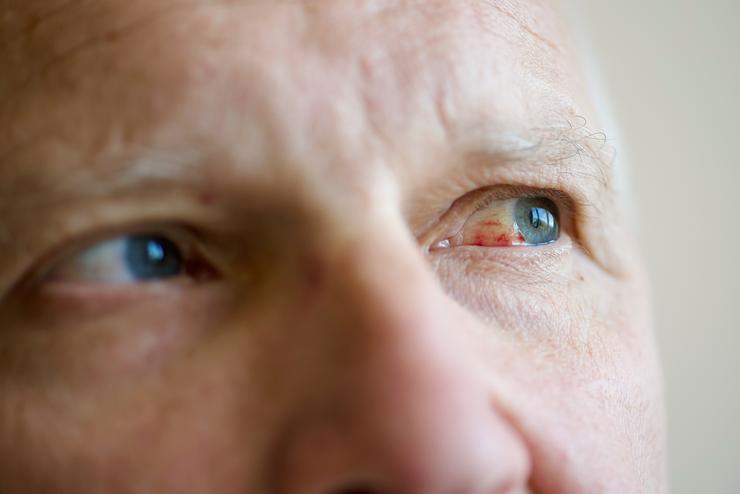
The difference between eye allergy and eye infection symptoms comes down to three clues: itching versus discomfort, the type of discharge, and whether the condition spreads. Eye allergies cause intense itching, clear watery discharge, and usually affect both eyes, often alongside sneezing or a runny nose. They aren't contagious. Eye infections bring more grittiness or discomfort, thicker yellow-green discharge, and may start in one eye. Viral and bacterial types are contagious. When symptoms are severe or don't ease within a few days, book an eye exam with an optometrist.
What to Remember
- Itching points to an allergy, while discomfort and grittiness with thick discharge point to an infection.
- Allergies almost always affect both eyes, whereas infections often start in one.
- Allergic conjunctivitis is not contagious, but viral and bacterial infections are.
- Watery, clear discharge suggests an allergy or a virus, while thick yellow-green crusting suggests bacteria.
- Pain, light sensitivity, or vision changes are red flags that warrant a prompt optometrist visit.
What's the Difference Between an Eye Allergy and an Eye Infection?
Both conditions are forms of conjunctivitis, an inflammation of the conjunctiva (the thin membrane covering the white of your eye). That shared inflammation is exactly why the two can look almost identical.
An eye allergy, or allergic conjunctivitis, is your immune system reacting to an allergen such as pollen, dust mites, pet dander, or mould. Your body releases histamine, which sets off the itching and watering.
An eye infection is caused by a germ: a virus, a bacterium, or occasionally a fungus. Pink eye is the most common example, and roughly 80% of acute conjunctivitis cases are viral, according to the clinical reference StatPearls. One condition is a reaction to something harmless; the other is an invasion by a microorganism. That difference is why the right treatment varies for each.
Symptom Comparison: Eye Allergy vs. Eye Infection
Use this breakdown to compare the two at a glance.
- Itching: Eye allergy: Moderate to severe; the hallmark sign. Eye infection: Mild; more grittiness or discomfort.
- Discharge type: Eye allergy: Clear, watery, sometimes rope-like. Eye infection: Viral: thin and watery. Bacterial: thick, yellow-green, crusts overnight.
- One or both eyes: Eye allergy: Usually both eyes. Eye infection: Often starts in one, then may spread.
- Contagious: Eye allergy: No. Eye infection: Yes, for viral and bacterial types.
- Accompanying symptoms: Eye allergy: Sneezing, runny nose, seasonal allergies. Eye infection: Cold symptoms; eyelids crusted shut in the morning.
- Timing: Eye allergy: Flares with allergen exposure; often seasonal. Eye infection: Follows a cold or contact with an infected person.
Keep in mind that one versus both eyes is a helpful clue, not a hard rule. Viral pink eye can begin in one eye and spread to the other within days.
Is It Contagious? Allergy vs. Infection
Allergic conjunctivitis is not contagious. You can't catch it from someone, and you can't pass it to your family.
Viral and bacterial eye infections are a different story. They spread through contact with an infected eye, unwashed hands, shared towels, or surfaces, and both stay contagious while symptoms are present. Once symptoms clear or treatment takes effect, the risk of spreading drops.
For busy households, handwashing and keeping towels and pillowcases separate make a real difference. Kids pass pink eye around school and daycare quickly, so if your child has a red, weepy eye, check with your optometrist about when it's safe to return.
How Are Eye Allergies and Infections Treated?
Treatment depends entirely on the cause, which is why an accurate diagnosis matters.
For allergies, an optometrist may suggest antihistamine eye drops, artificial tears, cold compresses, and avoiding your triggers where you can. For a viral infection, care is usually supportive while your body clears it, since most viral pink eye resolves on its own within one to two weeks. Antibiotics do nothing against a virus. For a bacterial infection, prescription antibiotic drops or ointment may help, especially in moderate to severe cases or for contact lens wearers.
One caution deserves attention: leaning on redness-relief decongestant drops beyond about five days can backfire. Getting the diagnosis right first protects your eyes and spares you antibiotics you may not need.
A Note for Contact Lens Wearers
Contact lens wearers face a higher risk of keratitis, a corneal infection that can progress quickly and threaten your sight, according to the American Academy of Ophthalmology. Overnight and extended wear raise that risk even more.
At the first sign of redness or discharge, take your lenses out and switch to glasses. Discard any lenses you wore once symptoms started. If you notice eye pain, redness, and discharge together, treat it as urgent and get professional care promptly. Your optometrist can examine your cornea and confirm when it's safe to wear lenses again.
When To See an Optometrist
Some symptoms deserve prompt attention. See an optometrist right away for significant eye pain, light sensitivity that makes it hard to keep your eye open, blurred or changing vision, thick discharge that keeps returning, symptoms lasting more than a few days, or any eye symptoms in a newborn.
When you simply can't tell whether it's an allergy or an infection, get it checked. The wrong self-treatment can delay healing, and unnecessary antibiotics can create problems of their own.
FYidoctors optometrists diagnose the cause and recommend the right treatment, and many of our locations offer emergency eye care when you need answers fast.
Book an appointment for an eye exam or find a location near you.
FAQ
How can I tell if my red eyes are from allergies or an infection?
Are eye infections contagious?
Can eye allergies turn into an infection?
What does the discharge tell me?
How long does pink eye last?
Should I stop wearing contact lenses if my eye is red?
When should I see an eye doctor?