

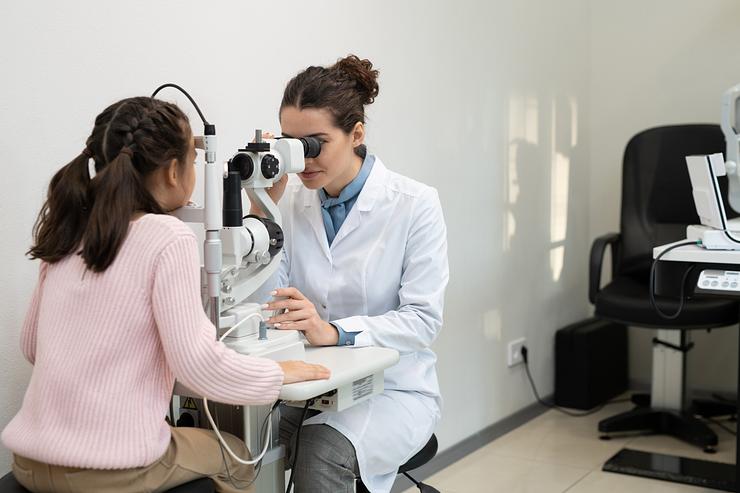
A comprehensive eye exam in Calgary includes visual acuity testing to measure clarity at different distances, eye health evaluations using specialized equipment to detect diseases, and additional screenings like peripheral vision and eye pressure measurements for conditions such as glaucoma. Regular eye exams detect serious health issues including diabetes and high blood pressure before symptoms appear. Children need their first exam by age 3, adults 20-39 should go every 2-3 years, and those over 40 require annual visits due to increased risk of age-related conditions. Quality glasses in Calgary combine durable frame materials like titanium or acetate with advanced lens technologies including anti-reflective coatings and progressive designs for optimal vision correction.
Why eye exams and quality glasses matter in Calgary
Your vision shapes every moment of your day — from reading morning emails to safely navigating Calgary's winter roads. Yet many Calgarians postpone their eye exams, unaware that these appointments offer far more than updated prescriptions.
A comprehensive eye exam paired with quality glasses provides the foundation for clear vision and early detection of serious health conditions that could otherwise go unnoticed.
Understanding eye exams in Calgary: what to expect and why they matter
During your comprehensive eye exam in Calgary, your eye doctor conducts multiple tests that paint a complete picture of your visual and overall health. Visual acuity tests measure how clearly you see at various distances using the familiar letter chart. Your optometrist then examines your eye health through specialized lights and lenses, revealing inner eye structures where diseases can begin without symptoms.
Additional screenings include:
Peripheral vision testing: Maps your side vision to detect glaucoma or neurological issues
Eye pressure measurements: Screens for glaucoma using gentle air puffs or specialized instruments
Retinal imaging: Captures detailed photographs of your eye's interior
Eye movement assessment: Checks how well your eyes work together
Beyond updating your prescription for quality glasses, these examinations serve as powerful health screening tools. Your doctor of optometry can detect diabetes through tiny blood vessel changes in your retina, often before elevated blood sugar is noticed elsewhere. High blood pressure leaves signs in the eye’s blood vessels, and certain brain tumors may first appear as vision changes or optic nerve swelling.
The recommended frequency varies by age and risk factors. Children should have their first comprehensive exam by age 3. Adults 20-39 typically need exams every 2-3 years unless they wear contact lenses or have risk factors like diabetes. After age 40, annual exams are essential as presbyopia, cataracts, and age-related macular degeneration become more common.
Choosing quality glasses: materials, lenses, and what makes them last
Quality glasses depend on both frame durability and lens performance. Frame choice affects comfort, longevity, and how well your glasses hold adjustments over time.
Titanium frames: Exceptional strength and lightweight comfort, ideal for active lifestyles or metal sensitivities. They are hypoallergenic, resist corrosion, and maintain shape for years, but typically cost more.
Acetate frames: Rich colours and patterns with good everyday durability. They are more affordable than titanium but may need adjustment more often; heat or extreme cold can affect fit.
Memory metal frames: Bend significantly without breaking and return to original shape, making them a strong choice for children or anyone hard on glasses.
Lens technology and coatings can improve clarity and comfort:
Anti-reflective coating: Reduces glare from screens and night driving, improves clarity, and can reduce eye strain.
Blue light filtering lenses: May help reduce digital eye strain from prolonged screen time; research continues, but some users report fewer headaches or improved sleep patterns.
Progressive lenses: Provide seamless correction for distance, intermediate, and near vision without visible lines. They can require 1-2 weeks to adjust and cost more than single vision lenses.
Finding the right eye care provider in Calgary: what to look for
Providers offering comprehensive services—eye exams, contact lens fittings, and on-site glasses selection—can save time and support continuity of care between your eye health assessment and vision correction needs. This convenience means your eye doctor already understands your requirements when helping you select eyewear.
Modern diagnostic equipment can make a significant difference. Digital retinal imaging and OCT technology can detect disease years before symptoms appear by capturing detailed images of your retina and optic nerve, revealing early signs of glaucoma or macular degeneration.
Patient education and follow-up care matters. Quality professionals take time to:
Explain your test results in understandable terms
Discuss treatment options based on your lifestyle
Schedule appropriate follow-ups based on individual risk factors
Some clinics rush appointments, while others prioritize comprehensive assessments that address immediate vision needs and long-term eye health.
Making smart choices when buying glasses in Calgary
Quality glasses in Canada typically varies in prices depending on frame material, lens type, and coatings. Understanding what features you need versus optional add-ons can help you manage costs without sacrificing essential quality. For example, anti-reflective coating may be essential for computer users, while photochromic lenses may be a luxury unless you frequently transition between indoor and outdoor environments.
Consider buying frames and lenses separately if you find a deal on frames but need specialized lenses. Some optical shops allow mixing and matching so you can invest in durable frames while choosing lens options that match your prescription and lifestyle.
Be cautious of extremely cheap online glasses that may use inferior lens materials or inaccurate prescriptions. Online options can save money, but complex prescriptions or progressive lenses often need professional fitting. Watch for hidden costs, such as coatings presented as mandatory when optional, or frame prices that don’t include basic lenses; ask for the complete price including necessary features.
Avoid providers who rush selection or don’t offer proper fitting services. Poorly fitted glasses can cause headaches, vision problems, and discomfort even with the correct prescription.
FAQ
What does a comprehensive eye exam in Calgary include?
How often should adults and children get eye exams in Calgary?
Can an eye exam in Calgary detect health problems beyond vision issues?
What should I look for when choosing quality glasses in Calgary?
Why is anti-reflective coating important for eyeglasses?