

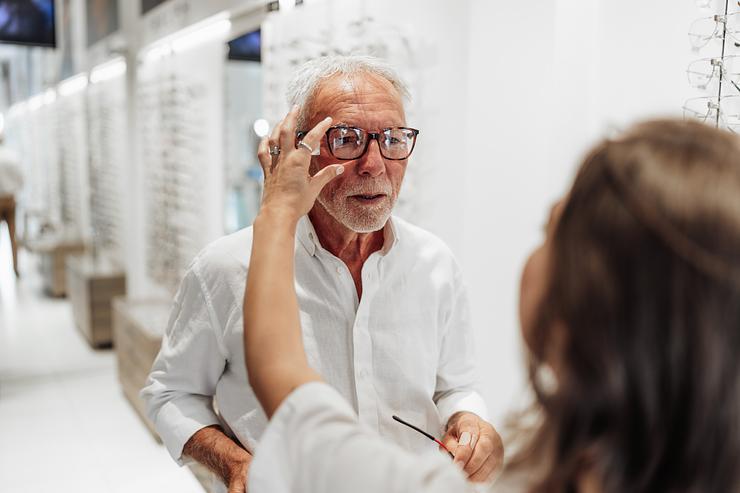
Eye exams in Burnaby combine comprehensive vision testing with advanced diagnostic technology to protect your eye health. A typical exam includes visual acuity testing, refraction assessment to determine your prescription, eye health evaluation for conditions like glaucoma or cataracts, and eye coordination tests. Most appointments take 30-60 minutes. In British Columbia, MSP covers annual eye exams for children under 19 and adults 65+, while adults 19-64 pay $50-170 unless medically necessary. Regular eye exams detect problems early—many serious conditions show no symptoms initially. Eye care professionals recommend exams every 1-2 years for adults and annually for children and seniors.
Finding quality eye exams and glasses in Burnaby
Finding quality eye exams and glasses in Burnaby means understanding what comprehensive eye care truly involves. Your vision affects every aspect of daily life—from reading and driving to working on computers and enjoying hobbies with your family.
That's why choosing the right eye care provider matters: you need someone who combines thorough examinations with access to quality eyewear that meets your specific needs.
Understanding eye exams in Burnaby: what to expect and why they matter
A comprehensive eye exam in Burnaby goes far beyond simply reading letters on a chart. Your eye doctor begins with visual acuity testing to measure how clearly you see at various distances. Next comes the refraction assessment—this determines your exact prescription using advanced equipment that measures how light bends as it passes through your eye.
The eye health evaluation forms a crucial part of your exam. Your optometrist examines the internal and external structures of your eyes, checking for signs of conditions that may first appear in your eyes.
- Glaucoma (increased eye pressure)
- Cataracts (clouding of the lens)
- Macular degeneration
- Diabetic retinopathy
- Other systemic health conditions that may first appear in your eyes
Eye coordination tests assess how well your eyes work together—essential for depth perception, reading comfort, and preventing headaches or eye strain.
Quality eyeglass frames: materials, durability, and style options
The difference between frames that last years versus months lies in their materials and construction. Titanium frames deliver exceptional strength and lightness—often without screws or rivets that can loosen over time. Acetate frames provide rich colours and classic styling through a plant-based material that's both durable and hypoallergenic.
For those seeking truly unique eyewear, premium materials like buffalo horn or surgical steel create distinctive pieces that age beautifully. Beyond materials, quality reveals itself in the details:
- Precise hinge mechanisms that open and close smoothly without wobbling
- Temple adjustments that maintain their shape after repeated wear
- Consistent finish with no rough edges or uneven colouring
- Proper weight distribution preventing sliding down your nose or pressure points behind your ears
Frame categories and price points often follow construction quality: budget-friendly frames ($50-150), mid-range frames ($150-400), and premium frames ($400+). Designer frames from fashion houses command higher prices primarily for brand recognition, though independent eyewear manufacturers frequently offer superior construction at comparable prices.
Lens technology: from basic to advanced options
Your prescription determines which lens type works best for your vision needs. Single vision lenses correct one field of vision—either distance or reading. progressive lenses provide seamless transitions between multiple prescriptions without visible lines, while bifocals offer distinct zones with a visible line separating distance and near sections.
Lens materials affect both comfort and appearance:
- CR-39 plastic: Affordable but thicker, suitable for mild prescriptions
- Polycarbonate: Impact-resistant and lighter weight—ideal for children and active lifestyles
- High-index materials: Create thinner, more attractive lenses for strong prescriptions
Modern lens treatments enhance both vision quality and durability. Anti-reflective coating reduces glare from screens and lights while improving clarity—especially helpful for night driving. Scratch-resistant coating extends lens life, particularly for those with active lifestyles.
Additional treatments address specific needs:
- UV protection shields eyes from harmful rays even in clear lenses
- Blue light filtering may help reduce eye strain from digital devices
- Photochromic lenses darken in sunlight for convenient indoor-outdoor transitions
- Specialized tints enhance contrast for activities like driving or sports
Did You Know? High-index lenses can be up to 50% thinner than standard plastic lenses, making them nearly invisible in your frames.
Choosing the right eye care provider in Burnaby
Independent optometry clinics often provide personalized service with consistent care from the same eye doctor, allowing for long-term relationship building and detailed knowledge of your eye health history. Chain optical stores in shopping centres typically offer convenient hours, promotional pricing, and wide frame selection—though service quality and expertise may vary significantly between locations and staff members.
Big box retailers and warehouse stores may provide competitive pricing, especially for multiple pairs or complex prescriptions, but often require memberships and may have limited frame selection compared to specialized optical shops.
Evaluate the comprehensiveness of eye exams: does the clinic use modern diagnostic equipment for detecting conditions beyond basic vision problems? Do they provide detailed explanations of findings and recommendations?
Consider practical factors:
- Insurance acceptance and direct billing
- Warranty policies on frames and lenses
- Complimentary adjustment services
- Location proximity for convenient follow-up visits
The right provider combines professional expertise with service that fits your lifestyle.
Making smart eyewear purchases: budget considerations and value
Basic glasses can start around $95-150 including frames and standard single vision lenses, while adding features like progressive lenses, high-index materials, or multiple coatings can increase total cost to $300-600 or more. Insurance coverage varies widely but typically includes annual eye exam benefits and frame/lens allowances ranging from $150-300, with some plans offering additional discounts on second pairs or contact lenses.
Consider purchasing multiple pairs for different purposes—computer work, outdoor activities, fashion—during promotional periods when retailers offer significant discounts on second pairs. Proper care extends eyewear lifespan:
- Store glasses in protective cases
- Clean with appropriate solutions and microfiber cloths
- Avoid leaving them in hot cars
- Return for regular adjustments to maintain proper fit
Online retailers may offer lower prices but lack professional fitting and immediate adjustments. In-person purchases provide expert guidance on frame selection for your face shape and prescription needs, plus ongoing service for maintenance and repairs. Your eye doctor can help determine which lens types work best for your lifestyle and visual needs.
FAQ
What does a comprehensive eye exam in Burnaby include?
How often should I get an eye exam in Burnaby?
Why are regular eye exams important even if I have no symptoms?
What types of glasses frames are considered high quality?
What are the main lens options available for glasses in Burnaby?
How can I choose the right eye care provider in Burnaby?