

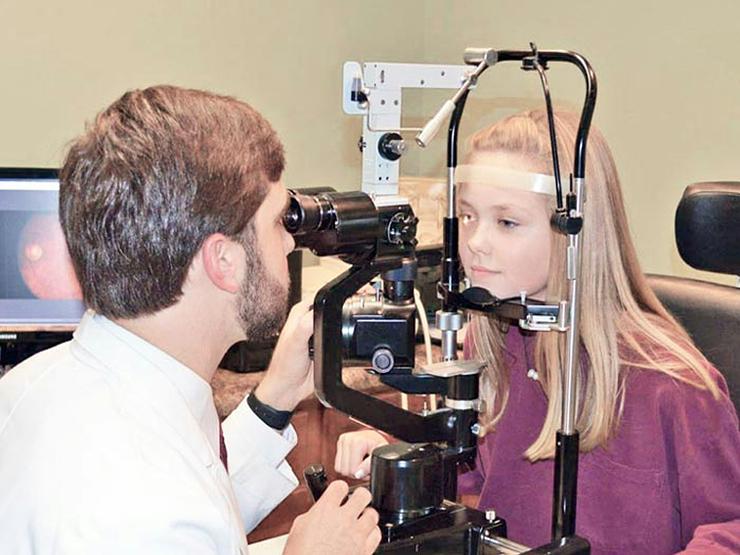
To find an optometrist near you who specializes in pediatric eye care, start with professional directories from optometry associations that allow filtering by "Children's Vision" or "Pediatric" specialties. Search online using terms like "pediatric optometrist near me" or "children's eye doctor" plus your location.
How to Confirm a Pediatric Focus
Contact clinics directly to verify they see children, asking about their youngest patient age, child-friendly equipment, and experience with conditions like lazy eye or myopia . Look for practices participating in programs like InfantSEE or Eye See...Eye Learn, which indicate specialized pediatric focus.
Finding the right eye care professional for your child requires understanding the different specialists available and knowing where to search effectively. While many general optometrists see children, those with specific pediatric training and equipment can make the experience more comfortable and thorough for young patients.
Understanding Pediatric Eye Care Specialists
The distinction between pediatric optometrists and pediatric ophthalmologists shapes your search strategy. Pediatric optometrists focus on comprehensive eye exams, vision development assessments, and prescribing corrective lenses for children. They handle most routine vision needs: detecting refractive errors like nearsightedness, evaluating how eyes work together, and monitoring overall eye health through non-invasive testing.
Pediatric ophthalmologists, conversely, are medical doctors specializing in children's eye diseases and surgical interventions. They treat complex conditions requiring medical management or surgery.
What sets pediatric eye care apart? Specialized equipment transforms the examination experience:
- LEA symbols or picture charts replace traditional letter charts for pre-readers
- Handheld autorefractors measure prescriptions without requiring perfect stillness
- Shorter appointment slots accommodate limited attention spans
- Objective testing methods assess vision in infants who cannot provide verbal responses
When to See a Pediatric Optometrist vs Ophthalmologist
Your starting point depends on your child's needs. Schedule with a pediatric optometrist for:
- First eye exams (recommended at 6-12 months)
- School vision concerns or reading difficulties
- Routine vision checks and glasses prescriptions
- Myopia management programs
Seek referral to a pediatric ophthalmologist when dealing with:
- Strabismus (eye misalignment requiring potential surgery)
- Amblyopia (lazy eye) unresponsive to standard treatment
- Congenital conditions like cataracts or glaucoma
- Eye injuries or infections requiring medical intervention
How to Search for Pediatric Optometrists in Your Area
Using Professional Association Directories
Professional optometry associations offer powerful search tools designed specifically for finding eye doctors who specialize in pediatric and family eye care . The American Optometric Association's Find a Doctor feature allows filtering by "Children's Vision" categories — infant, preschool, and school-age — helping you match your child's developmental stage with appropriate expertise.
Provincial optometry colleges in Canada maintain searchable public registers where you can:
- Verify active licenses and standing with regulatory bodies
- Check special designations in pediatric optometry
- Identify InfantSEE participants who provide no-cost infant assessments
These directories often display additional qualifications like residency training in pediatric optometry or fellowship certifications that signal advanced expertise beyond general practice.
Leveraging Online Search Tools and Filters
Specialized pediatric eye care locators streamline your search beyond general directories. Enter your postal code to find practices within reasonable distance, then apply filters for:
- Insurance compatibility with your family's coverage
- Parent reviews highlighting child-friendly experiences
- Specific services like myopia control or vision therapy
Strategic search terms yield better results: combine "pediatric optometrist near me" or "children's eye doctor" with your city name. Scan practice websites for explicit mentions of treating amblyopia, strabismus, or offering myopia management programs — clear indicators of pediatric focus rather than general family practice.
Questions to Ask When Contacting Eye Care Offices
Direct questions reveal whether an office truly specializes in pediatric care. Start with "What's the youngest age you examine?" — experienced pediatric eye doctors often see infants as young as 6 months, while general practices may only start at 3 or 4 years old.
Ask about their approach to nervous children: "How do you handle kids who won't sit still or cooperate?" Pediatric specialists describe specific techniques — puppet shows during exams, letting children "help" with equipment, or breaking appointments into shorter segments.
Probe their experience with childhood conditions:
- "Do you manage lazy eye and crossed eyes?"
- "Do you offer vision therapy for learning difficulties?"
- "What myopia control options do you provide?"
Practical questions matter too. Verify your provincial health coverage applies — most Canadian provinces cover annual children's eye exams until age 18 or 19. Ask whether they direct-bill insurance or require upfront payment.
For children with special needs, inquire about accommodations: "How do you adapt exams for non-verbal children?" or "Do you have experience with autism spectrum disorders?" The right practice will confidently explain their modified approaches rather than hesitate.
What to Look for in a Pediatric-Friendly Practice
Physical Environment and Equipment
Walk into the waiting area — does it feel welcoming to children? Pediatric-focused practices transform their spaces with bright wall murals, child-sized furniture, and bins of toys that make waiting less stressful. Some offices even feature separate pediatric areas where siblings can play while one child receives care.
The exam room reveals even more. Handheld autorefractors allow squirmy toddlers to stay on a parent's lap instead of climbing into intimidating equipment. Look for LEA symbols (houses, hearts, circles) or HOTV charts displayed at child height — these work for kids who haven't learned their ABCs yet.
Digital retinal imaging cameras capture detailed eye photos without dilation drops that sting and blur vision for hours. Not every condition allows this substitution, but pediatric eye care practices invest in technology that minimizes discomfort.
Staff Experience and Approach
Listen to how staff describe their methods. Experienced teams turn exams into adventures: "Let's see if we can spot the birdie!" or "Can you help me count the red dots?" They schedule 45-minute appointments for preschoolers rather than rushing through standard 30-minute slots.
Participation in programs like Eye See...Eye Learn or InfantSEE signals genuine pediatric commitment — these initiatives require specialized training and community dedication beyond typical practice operations.
Special Programs and Coverage for Children's Eye Care
Provincial health plans across Canada typically cover annual eye exams for children until age 18 or 19 — eliminating financial barriers to essential vision care. Ontario's OHIP covers one exam yearly for those under 20, while British Columbia's MSP provides similar benefits.
InfantSEE transforms infant eye care accessibility. This public health program provides no-cost comprehensive eye assessments for babies between 6-12 months old, regardless of income or insurance status. Participating optometrists undergo specialized training to examine pre-verbal infants using techniques like preferential looking tests and retinoscopy.
Eye See...Eye Learn partners with kindergarten programs across several provinces, providing free eye exams and complimentary glasses for children who need them. The program recognizes that 80% of classroom learning happens visually — yet one in four school-age children has undiagnosed vision problems.
Myopia management programs address the growing epidemic of childhood nearsightedness. Specialized contact lenses reshape how light enters the eye overnight, while low-dose atropine drops slow progression by up to 60%. Vision therapy exercises strengthen focusing muscles. These interventions work best when started early.
FAQ
What is the best way to find a pediatric optometrist near me?
How can I tell if an optometrist truly specializes in pediatric eye care?
What questions should I ask before booking my child’s eye exam?
What should I look for in a child-friendly eye clinic?
What is the difference between a pediatric optometrist and a pediatric ophthalmologist?
When should my child see a pediatric eye doctor for the first time?
Are children’s eye exams covered, and are there special pediatric programs?
Can a pediatric optometrist help with lazy eye, crossed eyes, or myopia?