

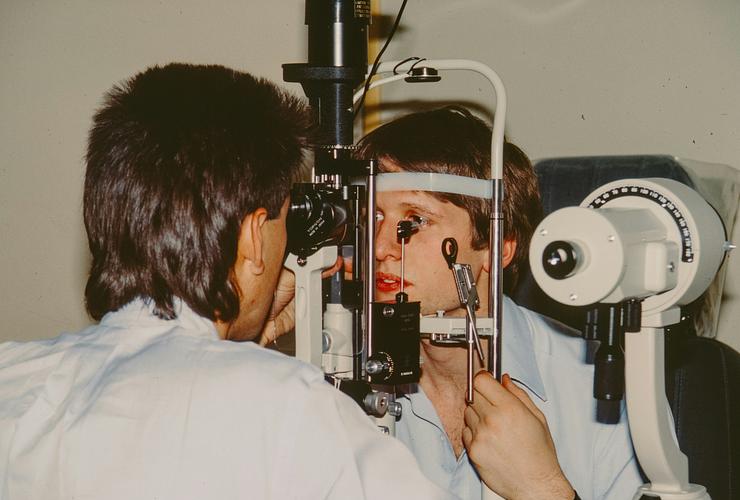
An optometrist near me is a Doctor of Optometry (O.D.) who provides primary eye care services including comprehensive eye exams, vision testing, and treatment of common eye conditions. These eye care professionals complete 4 years of specialized training after college and can prescribe glasses, contacts, and medications.
To find a trusted optometrist near you, use professional directories like the American Optometric Association's search tool. You can also check your insurance provider network or ask for referrals from your family doctor. Schedule an appointment if you experience blurry vision, eye pain, or need routine care.
Children should have their first exam at 6 months, again at age 3, and before starting school.
Understanding the Role of an Optometrist in Your Eye Care
Optometrists are primary care doctors for your eyes who complete four years of specialized training after college to earn a Doctor of Optometry (O.D.) degree. This makes them qualified to diagnose and treat most eye conditions without surgery. They can perform comprehensive dilated eye exams to detect hidden problems like glaucoma or diabetic eye disease that often have no early symptoms.
They also prescribe corrective lenses, including contact lenses, and provide medications for common eye conditions. Unlike ophthalmologists who perform eye surgery, optometrists focus on routine eye care, vision correction, and managing chronic conditions like dry eye. They refer patients to specialists when surgical intervention is needed.
Signs You Need to Find an Optometrist Near You Today
Blurry vision that persists even with your current glasses or contacts may indicate a prescription change is needed. It could also signal underlying conditions like cataracts or diabetes affecting your eyes. These changes often develop gradually, such as squinting at road signs or holding your phone closer to read texts.
Red, swollen, or painful eyes that don't improve within 24-48 hours need professional evaluation. They could indicate infections, allergies, or more serious conditions requiring prescription medications.
Regular Eye Care Needs That Optometrists Address
Annual comprehensive eye exams are essential even if you see clearly. Many serious eye diseases like glaucoma can damage your vision before you notice any symptoms. Your eye doctor uses specialized equipment to examine the internal structures of your eyes, detecting problems that simple vision screenings miss.
Children should have their first eye exam at 6 months, again at age 3, and before starting school. Undetected vision problems can affect learning and development.
Did You Know? Up to 80% of learning happens through vision, according to the American Optometric Association. Yet many children with vision problems assume everyone sees the way they do, never mentioning their struggles to parents or teachers.
How to Find a Trusted Optometrist Near Me
Professional directories like the Canadian Association of Optometrists' Find an Optometrist tool let you search by postal code and filter results by specialties like pediatric eye care or contact lens fitting . These listings often include languages spoken, clinic hours, and accessibility features.
Insurance company websites typically have provider directories showing which optometrists are in-network, helping you avoid unexpected costs. Provincial health websites may also list eye care professionals who accept government health plans for eligible services.
Ask your family doctor for referrals since they often know which local optometrists have good reputations and can suggest someone who fits your specific health needs. Friends and family can share firsthand experiences about wait times, office atmosphere, and whether the doctor explains things clearly without rushing.
Staff friendliness and helpfulness with insurance claims
Technology available at the clinic
Communication style during appointments
What to Expect During Your First Optometry Visit
A comprehensive visit can include a dilated eye exam with drops that widen your pupils. This helps the eye doctor check the retina, optic nerve, and blood vessels. The drops may temporarily blur your vision for a few hours, so consider bringing sunglasses for the trip home.
Vision testing includes reading letters on a chart at various distances and checking how well your eyes work together. Different lenses are used to determine if you need glasses or contacts, often with a phoropter to fine-tune your prescription.
Additional tests may include:
Tonometry: Checking eye pressure for glaucoma using a gentle puff of air
Visual field testing: Evaluating your peripheral (side) vision
Retinal imaging: Taking detailed photographs of your eye's interior
To prepare, write down symptoms, medications, and family history of eye diseases like glaucoma or macular degeneration. Bring your current glasses or contacts, insurance cards, and questions about your eye health.
Understanding Costs and Insurance for Optometry Services
Basic eye exams without insurance typically range from $50 to $200 depending on your location and the eye doctor's experience. Urban areas generally charge more than rural practices. Contact lens fittings, retinal photography, or specialized glaucoma testing may add $25 to $100 or more.
Vision insurance often covers one annual eye exam fully or with a small copay, but it may not include glasses or contacts. Medical insurance may cover exams when you have symptoms or diagnosed conditions like diabetes, while routine checks might require vision coverage or out-of-pocket payment.
Did You Know? Some provinces offer free eye exams for children under 19, adults over 65, or people with specific medical conditions like diabetes.
When booking, ask about:
Direct billing options
Payment plans for eyewear
Package deals combining exams and glasses
Building a Long-Term Relationship with Your Optometrist
A trusted eye doctor explains your eye health in simple terms, answers questions without rushing, and remembers concerns from previous visits. Helpful office staff support scheduling, insurance questions, and follow-up care in a welcoming environment.
Signs of quality care include:
Clear communication: Explaining test results and treatment options
Personalized attention: Remembering visual needs and lifestyle requirements
Accessible support: Easy booking and prompt responses to questions
Comfortable environment: Clean, organized clinic with modern equipment
If you consistently feel rushed, struggle to get clear answers, or face long wait times without explanation, it may be time to find a new optometrist. Changes in needs, such as a chronic condition or specialized contact lenses, may also require specific expertise. Trust your instincts: the right eye doctor makes you feel heard, valued, and confident.
FAQ
What is an optometrist, and what do they do?
How is an optometrist different from an ophthalmologist?
How can I find a trusted optometrist near me?
When should I schedule an appointment with an optometrist?
When should children have their first eye exam?
What happens during a first visit to an optometrist?
Does insurance cover visits to an optometrist?