

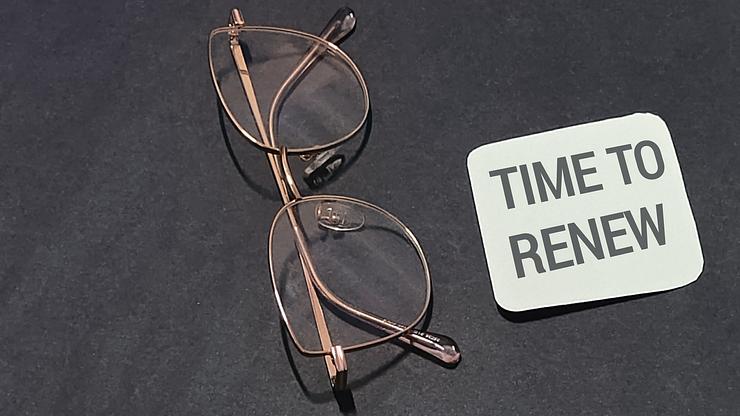
Most vision insurance plans cover new glasses every 1–2 years. Annual coverage allows you to update your eyewear each year, while biennial plans provide benefits every 24 months. Coverage typically includes a fixed dollar allowance (commonly $100, $150, or $200) that can be applied toward frames and lenses, rather than a range based on lens type. This allowance is applied first, and any remaining balance—regardless of whether you choose single-vision, bifocal, or progressive lenses—is paid out of pocket.
Vision insurance can help offset the cost of eye exams and glasses, but it should not determine when you see an eye doctor or replace medical judgment. While insurance benefits may influence the financial timing of eyewear purchases, decisions about eye exams and new glasses should be guided first by changes in your vision, eye health concerns, or your optometrist recommendation.
Regardless of whether you have insurance benefits remaining, you should see an eye doctor if you notice vision changes or concerns such as pain, injury, flashes, or floaters. You should also update your glasses whenever your prescription changes to ensure clear, comfortable vision and ongoing eye health. Let's explore how insurance benefits work and when you might need new glasses regardless of coverage cycles.
How Often Does Insurance Cover New Glasses?
Most vision insurance plans cover new glasses every 1-2 years, with some plans offering annual coverage while others provide benefits every 24 months, depending on your specific policy and provider. This coverage cycle creates a natural rhythm for eyewear replacement that many patients follow, though your actual needs may vary based on prescription changes or lifestyle factors.
Understanding your plan's reset date helps you maximize the use of your vision benefits. If you don't use your exam or eyewear allowance before the end of your coverage period, those unused benefit dollars are lost, even though new benefits become available at the start of the next cycle. Knowing your reset or expiry date allows you to plan eye exams and use any available glasses allowances within the coverage window—whether your prescription changes—so you don't leave benefits unused.
Coverage limits usually include a frame allowance and basic single vision lenses, with additional costs for premium features like anti-reflective coating or progressive lenses that may require out-of-pocket payment. These allowances represent the foundation of your eyewear benefits; the amount that is covered is applied to whatever the prescription purchase is, and the difference becomes your responsibility to pay out of pocket. This makes it essential to budget for upgrades that enhance your visual comfort and lens durability.
When Should You Actually Replace Your Glasses?
Medical Reasons for New Glasses
Vision changes requiring new prescriptions typically occur every 1-2 years in adults, though children and teens may need updates annually due to rapidly changing eyes during growth periods. Your eye doctor can detect these changes during regular exams — even when you haven't noticed any symptoms yourself.
Signs you need an updated prescription include frequent headaches (especially around temples after reading), blurry vision at any distance, increased squinting, or eye strain and fatigue during daily activities. These symptoms often develop gradually, making them easy to dismiss as just being tired.
Certain medical conditions like diabetes, pregnancy, or medications can cause prescription changes more frequently than the typical 1-2 year cycle, requiring more regular eye exams and potential glasses updates. Blood sugar fluctuations, hormonal changes, and certain prescriptions may temporarily or permanently alter your vision needs. It's worth noting that some provincial health plans cover annual eye exams for particular medical conditions, like diabetes, so consult your provincial health coverage for details.
Physical Wear and Damage
Scratched lenses, even minor ones, can cause eye strain and reduced visual clarity, making replacement necessary regardless of prescription changes — lens coatings typically last 1-2 years before showing wear. Those tiny scratches scatter light entering your eye, forcing it to work harder.
Frame damage like loose screws, bent temples, or broken nose pads affects how lenses sit in front of your eyes, potentially causing vision problems even with the correct prescription.
Quality frames and premium lenses, such as our exactFit lenses, offer superior durability and performance compared to budget options. While budget plastic frames may become brittle or discoloured within 2-3 years, especially with daily wear and exposure to sweat or oils, investing in quality eyewear means you get what you pay for — longer-lasting frames and lenses that perform better over time. Cheap online frames and lenses will not last as long or perform as well as quality frames and premium lenses and coatings that we offer.
To protect your investment in quality eyewear, we offer an Eyewear Protection Plan that covers accidental damage and wear, giving you peace of mind for your frames and lenses.
Maximizing Your Insurance Benefits
Timing Your Purchases Strategically
To make the most of your vision benefits, be sure to schedule your eye exam well in advance of your benefit rollover date—whenever that may be. This allows you to get any necessary prescription updates and use your frame and lenses allowance (if applicable) before your benefits reset. Since benefit rollover dates can vary, it's best to check your plan details rather than relying on a specific month like January or December.
If your plan offers separate allowances for frames and contact lenses, you can often purchase glasses one year and contact lenses the next, effectively getting new eyewear annually even with 2-year coverage. This approach works particularly well for patients who wear both types of vision correction.
Some insurance plans allow you to combine your current year benefits with Health Spending Account (HSA) or Tax-Free Savings Account (TFSA) funds to cover premium upgrades or multiple pairs. These tax-advantaged dollars can significantly reduce your out-of-pocket costs for features like specialized lens coatings. Additionally, shopping during a sale or promotion can help you stretch your benefit dollars even further.
Understanding Coverage Gaps
Children's glasses may need replacement more frequently than insurance covers due to growth, damage, or prescription changes — consider backup pairs or warranties for active kids. Specialty eyewear like computer glasses, safety glasses, or prescription sunglasses typically isn't covered by standard vision insurance but may be eligible for Health Spending Account reimbursement. Some plans offer discounts on additional pairs purchased within the same benefit period, typically 20-40% off retail prices for frames and lenses beyond your covered pair.
Making Glasses Last Between Insurance Coverage
Proper Care and Maintenance
Clean lenses daily with microfiber cloths and lens-specific cleaning solution — not household cleaners or paper towels — to prevent scratches that shorten lens lifespan from the typical 2-3 years to under 1 year. Paper products and harsh chemicals can strip protective coatings and create micro-abrasions that accumulate over time.
Store glasses in a hard case when not wearing them to prevent frame warping and lens scratches. Frames left in hot cars or humid bathrooms deteriorate faster due to material breakdown. Temperature extremes cause plastic to become brittle and metal components to expand and contract. Regular professional adjustments every 6 months at your eye care provider keep frames fitting properly and prevent stress points that lead to breakage. These adjustments are typically complimentary and help maintain the structural integrity of your eyewear.
When to Pay Out-of-Pocket
Consider purchasing backup glasses during sales if your prescription is stable — having a spare pair prevents emergency purchases at full price when primary glasses break. Lens replacement in existing frames costs significantly less than new glasses and may be worthwhile if frames are in good condition, but prescription has changed. This option works particularly well for high-quality frames that still fit comfortably. Warranty plans can provide free replacements for accidental damage during the first 1-2 years, potentially saving hundreds if you're prone to breaking glasses.
FAQ
How often does vision insurance typically cover new glasses?
When should you get new glasses even if your insurance hasn't renewed?
What signs mean you might need a new prescription for glasses?
How do age and life stage affect how often you need new glasses?
How do lens and frame quality affect how long glasses last?
What should you do if your glasses are damaged before insurance covers a new pair?
Are speciality glasses like computer or safety glasses covered by insurance?
How can you make your glasses last longer between insurance coverage periods?