

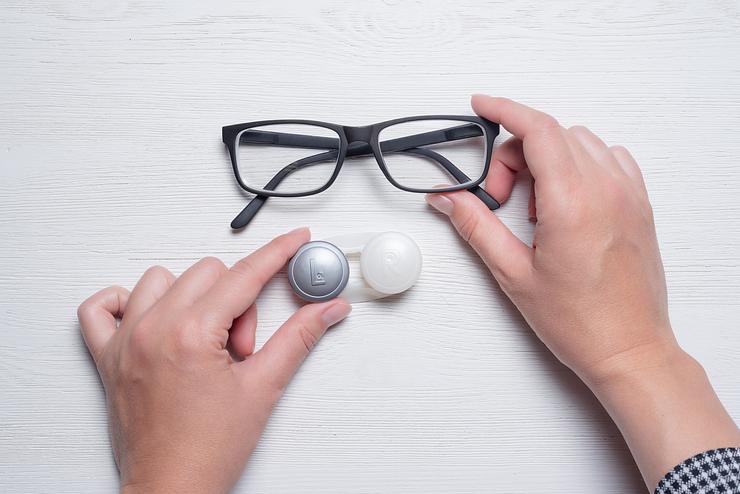
Replace your contact lens case every three months to prevent bacterial contamination and eye infections. Contact lens cases harbor bacteria even with daily cleaning, developing biofilms that resist disinfection. Signs you need immediate replacement include visible cracks, discoloration, persistent odors, or sticky residue. Between replacements, rinse cases with fresh multipurpose solution (never water) and air dry completely. Special circumstances requiring more frequent replacement include swimming, humid climates, compromised immune systems, or recent eye infections. Most cases contain antimicrobial coatings that lose effectiveness over time, making regular replacement essential for safe lens storage.
Understanding Contact Lens Case Replacement: Why Every Three Months Matters
Contact lens cases accumulate bacteria and microorganisms over time despite regular cleaning, with studies showing contamination can occur within days of first use, making the three-month replacement rule essential for preventing serious eye infections like microbial keratitis. The warm, moist environment inside a contact lens case creates ideal conditions for bacterial growth, particularly when cases remain closed between uses.
Eye care professionals universally recommend replacing your contact lens case every three months because plastic materials degrade and develop microscopic cracks that harbor bacteria, creating biofilms that regular cleaning solutions or eye products cannot eliminate. These biofilms — communities of bacteria protected by a slimy matrix — resist even the most effective multipurpose solutions, potentially transferring harmful microorganisms directly to your lenses and eyes.
Signs Your Contact Lens Case Needs Immediate Replacement
While the three-month replacement schedule provides a solid foundation for case hygiene, certain warning signs demand immediate action regardless of when you last replaced your case.
- Visible cracks, scratches, or cloudiness in the case material indicate structural damage that creates hiding spots for bacteria and compromises the case's ability to maintain a sterile environment for your lenses.
- Discoloration of the case, including yellowing, brown spots, or any colour changes, signals bacterial or fungal growth that has penetrated the plastic and cannot be removed through normal cleaning.
- Persistent odours coming from your case, even after cleaning, indicate bacterial colonization that has formed resistant biofilms, requiring immediate case replacement to prevent eye infections.
- Sticky residue or slime formation inside the case wells suggests protein deposits and bacterial growth that create a dangerous environment for contact lens storage.
Proper Contact Lens Case Maintenance Between Replacements
Even with diligent three-month replacements, proper daily maintenance determines whether your case remains a safe storage environment for your lenses.
- Rinse your case thoroughly with fresh multipurpose contact solution after each use, never using tap water which contains microorganisms like Acanthamoeba that can cause severe eye infections.
- Air dry your case upside down on a clean paper towel or lint-free cloth, allowing complete drying between uses to prevent moisture-loving bacteria from multiplying.
- Never "top off" old solution with new solution, as this practice dilutes the disinfecting power and allows bacteria to survive and multiply in the diluted mixture.
- Avoid using hydrogen peroxide solutions in regular cases unless specifically designed for peroxide systems, as residual peroxide can damage both the case material and your eyes.
Special Circumstances That Require More Frequent Case Replacement
While the standard three-month replacement schedule works for most contact lens wearers, certain lifestyles and health conditions demand more vigilant case replacement to protect your eyes from infection.
- Swimmers and water sports enthusiasts should replace cases monthly due to increased exposure to waterborne pathogens that can contaminate cases even with careful handling.
- People living in humid climates or storing cases in bathrooms face accelerated bacterial growth, requiring case replacement every 1-2 months to maintain safe lens storage conditions.
- Contact lens wearers with compromised immune systems, diabetes, or dry eye syndrome should replace cases monthly as these conditions may increase susceptibility to eye infections.
- Those recovering from eye infections or corneal abrasions must replace their case immediately after treatment to prevent reinfection from contaminated cases.
Understanding Contact Lens Case Materials and Expiration
Contact lens cases contain antimicrobial coatings or silver-infused materials that lose effectiveness over time, with most cases having a 1-2 year shelf life from manufacture date. These protective coatings gradually break down, reducing their ability to fight bacteria.
Plastic polymers in cases degrade even when unused, developing microscopic imperfections that compromise the case's ability to maintain a sterile environment. These tiny cracks become breeding grounds for microorganisms that standard cleaning cannot eliminate.
- Standard polypropylene cases work well for most users but require strict three-month replacement, while antimicrobial-coated cases may offer slightly extended protection but still need regular replacement.
- Travel cases and compact designs often have tighter seals that can trap moisture, requiring more frequent replacement every 1-2 months for frequent travelers.
Creating a Sustainable Case Replacement Routine
Mark your calendar or set smartphone reminders for case replacement dates, aligning them with seasonal changes (spring, summer, fall, winter) to make the schedule easy to remember. This seasonal approach turns case replacement into a routine habit rather than an easily forgotten task.
- Purchase cases in multi-packs to ensure you always have a fresh replacement ready, storing unopened cases in a cool, dry place away from bathroom humidity.
- Budget approximately $20-40 annually for case replacements, understanding that this small investment prevents costly eye infections and potential vision problems.
- Consider coordinating case replacement with contact lens solution purchases, as many multipurpose solutions include a free case that meets safety standards for temporary use.
Did You Know? Setting quarterly reminders aligned with seasons makes it 73% more likely you'll actually replace your contact lens case on schedule, according to patient compliance studies.
FAQ
How often should I replace my contact lens case to prevent eye infections?
What are signs that my contact lens case needs to be replaced immediately?
Can I use water to rinse my contact lens case between replacements?
Are there special situations where I should replace my contact lens case more often?
Do antimicrobial contact lens cases last longer before needing replacement?
Why is it unsafe to “top off” old solution in my contact lens case?
How can I remember to replace my contact lens case on time?
What are the risks of using an expired or old contact lens case?