

Hydrogel vs Silicone Hydrogel Contact Lenses: Which One Is Right for You?
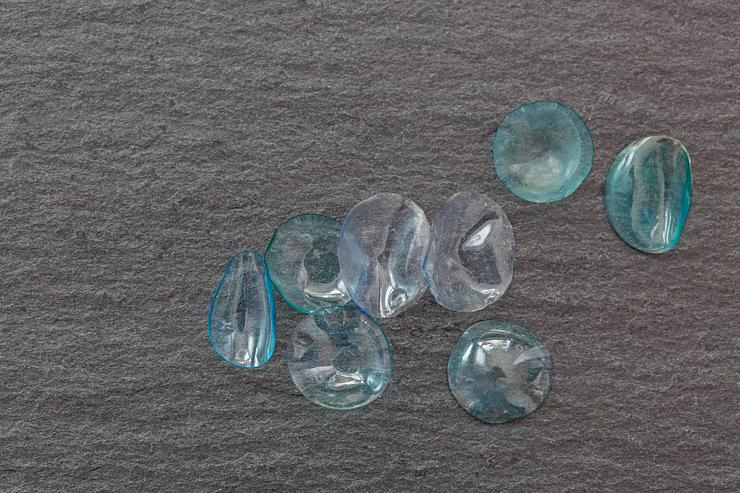
Hydrogel and silicone hydrogel contact lenses differ primarily in their oxygen permeability. Traditional hydrogel lenses, made from water-containing polymers, transmit oxygen through their water content—typically allowing 20-40 units of oxygen to reach the cornea. Silicone hydrogel lenses incorporate silicone molecules that create oxygen channels, delivering 80-140 units of oxygen regardless of water content. This five-fold increase in oxygen transmission makes silicone hydrogel lenses suitable for extended wear (up to 30 days with some types), while hydrogel lenses are limited to daily wear of 8-10 hours. Both materials offer comfort, but silicone hydrogel maintains consistent moisture throughout the day, while hydrogel may dry out during wear.
Understanding the Key Differences Between Hydrogel and Silicone Hydrogel Contact Lenses
Hydrogel lenses are made from water-containing polymers that were first introduced in the 1980s, creating thin and flexible lenses that feel comfortable on the eye but allow limited oxygen to pass through to the cornea. These traditional soft lenses contain between 38% to 75% water content, with higher water percentages typically providing better initial comfort. The polymers used—primarily poly-HEMA (polyhydroxyethylmethacrylate)—create a gel-like structure that conforms easily to the eye's surface.
Silicone hydrogel lenses combine traditional hydrogel materials with silicone molecules, which became available in the early 2000s, creating a more porous structure that allows up to five times more oxygen to reach the cornea compared to regular hydrogel lenses. This revolutionary material incorporates siloxane bonds that form microscopic channels throughout the lens structure. These channels act as oxygen highways, allowing air to flow directly to the cornea without relying solely on water content.
The main difference lies in oxygen permeability: while hydrogel lenses rely on their water content to transmit oxygen (which can decrease as the lens dries throughout the day), silicone hydrogel lenses use silicone channels to maintain consistent oxygen flow even with lower water content. This distinction becomes particularly important during extended wear periods—hydrogel lenses may transmit only 20-40 Dk/t units of oxygen, while silicone hydrogel lenses typically deliver 80-140 Dk/t units, ensuring your cornea receives adequate oxygen throughout your wearing schedule.
How Oxygen Permeability Affects Your Eye Health and Comfort
What is Oxygen Permeability and Why Does It Matter?
Oxygen permeability refers to how much oxygen can pass through a contact lens to reach your cornea, which is crucial because the cornea doesn't have blood vessels and relies on oxygen from the air to stay healthy. Unlike other tissues in your body, the cornea receives its oxygen supply directly from tears and the atmosphere—making your choice of contact lens material particularly important for maintaining corneal health.
Without adequate oxygen supply, eyes can develop a condition called hypoxia, which causes symptoms like redness, blurred vision, excessive tearing, and discomfort that typically worsen throughout the day. Chronic oxygen deprivation may lead to corneal swelling, blood vessel growth into the cornea (neovascularization), and increased risk of eye infections.
How Different Materials Impact Oxygen FlowHydrogel lenses transmit oxygen through their water content, meaning a 38% water content lens allows less oxygen through than a 55% water content lens, but as the lens dries during wear, oxygen transmission decreases. This creates a challenging cycle: your eyes need moisture to stay comfortable, yet the very water that provides oxygen gradually evaporates throughout the day.
Silicone hydrogel lenses use silicone molecules to create oxygen channels that work independently of water content, maintaining steady oxygen flow even after 12+ hours of wear, which is why they're approved for extended wear schedules.
Comparing Comfort and Wearability: Which Lens Type Suits Your Lifestyle
Daily Wear Considerations
Hydrogel lenses often feel more comfortable initially for people with sensitive eyes because they have a softer, more flexible feel and don't contain silicone, which some people may be intolerant to. Their high water content creates a cushion-like sensation that many wearers describe as barely noticeable—particularly beneficial during the first few hours of wear.
Silicone hydrogel lenses may feel slightly stiffer at first but maintain their moisture and shape better throughout the day, making them ideal for people who wear contacts for more than 12 hours or work in air-conditioned environments. The material's stability helps prevent the lens from drying out and changing shape, which can cause fluctuating vision and discomfort during long workdays.
Extended Wear CapabilitiesTraditional hydrogel lenses are typically limited to daily wear (8-10 hours) because oxygen transmission decreases as the lens dries, potentially causing end-of-day discomfort and dryness. Many wearers notice their eyes feeling tired or irritated by evening, especially after screen time or in dry environments.
Silicone hydrogel lenses can be worn for extended periods, with some types approved for continuous wear up to 30 days (though most eye care professionals recommend removing them nightly for cleaning), because they maintain consistent oxygen flow regardless of wear time.
Managing Deposits and Maintenance: Practical Differences in Lens Care
Proper maintenance can make or break your contact lens experience, and the cleaning requirements between hydrogel and silicone hydrogel contact lenses differ significantly. Hydrogel lenses tend to resist lipid deposits better due to their high water content, but they can still accumulate protein deposits from tears, requiring daily cleaning with appropriate solutions.
Silicone hydrogel lenses are more prone to attracting both protein and lipid deposits because of their porous structure and silicone content. This means they may require:
- More thorough cleaning routines with rubbing and rinsing steps
- Specific cleaning solutions designed for silicone materials
- Stricter adherence to replacement schedules
The increased deposit buildup on silicone hydrogel lenses can lead to reduced comfort and clarity if not properly maintained. Cloudy vision, irritation, or a gritty sensation often signal deposit accumulation. Your eye doctor's cleaning recommendations aren't just suggestions—they're essential for maintaining healthy, comfortable lens wear. FYidoctors' optometrists can recommend the most suitable cleaning systems based on your lens material and lifestyle factors like makeup use or environmental exposure.
Choosing the Right Lens for Specific Eye Conditions
Best Options for dry eyes
While silicone hydrogel lenses allow more oxygen to reach the eye—which can help prevent hypoxia-related dryness—some people with dry eyes find traditional hydrogel lenses more comfortable because of their higher water content and biocompatibility. The choice depends on the underlying cause of your dry eyes: if dryness stems from lack of oxygen, silicone hydrogel may help, but if it's due to underlying conditions or sensitivity, the softer feel of hydrogel lenses might be preferable.
Considerations for High Prescriptions and AstigmatismPeople with higher prescriptions often benefit from silicone hydrogel lenses because thicker lenses still maintain good oxygen transmission, whereas thick hydrogel lenses can significantly restrict oxygen flow. Both materials are available in toric designs for astigmatism correction, but silicone hydrogel's ability to hold its shape better can provide more stable vision throughout the day for astigmatism patients.
Did You Know? The thickness of a contact lens increases with prescription strength—a -8.00 lens can be twice as thick as a -2.00 lens at the edges, making oxygen permeability even more crucial for higher prescriptions.Your eye doctor can assess which hydrogel and silicone hydrogel contact lenses work best for your specific condition through specialized testing and trial fittings.
Making an Informed Decision: Working with Your Eye Care Provider
The Importance of Professional Fitting
A comprehensive contact lens exam includes measuring your cornea's curvature, evaluating tear film quality, and assessing your lifestyle needs to determine whether hydrogel or silicone hydrogel lenses would work best for your eyes. Your eye doctor will consider factors like how many hours you wear lenses daily, your work environment—dry offices versus outdoor settings—any history of eye infections, and your ability to maintain proper lens care.
Key measurements your optometrist takes:
- Corneal topography mapping
- Tear break-up time
- Pupil size in different lighting
- Lid position and blink patterns
Most eye care providers offer trial lenses in both materials, allowing you to experience the differences in comfort, vision quality, and end-of-day performance before making a final decision. Book an appointment with an FYidoctors optometrist to explore which hydrogel and silicone hydrogel contact lenses suit your unique needs.
Regular follow-up appointments help monitor how your eyes respond to the chosen material; some people may need to switch between hydrogel and silicone hydrogel lenses based on seasonal changes, lifestyle adjustments, or changes in eye health.
FAQ
What is the main difference between hydrogel and silicone hydrogel contact lenses?
Why is oxygen permeability important for contact lens wearers?
How long can you safely wear hydrogel versus silicone hydrogel contact lenses?
Which type of lens is better for people with dry eyes?
Are silicone hydrogel lenses more comfortable than hydrogel lenses?
Do hydrogel and silicone hydrogel lenses require different cleaning routines?
Are silicone hydrogel lenses better for people with high prescriptions or astigmatism?
How do eye doctors decide which lens material is best for you?