

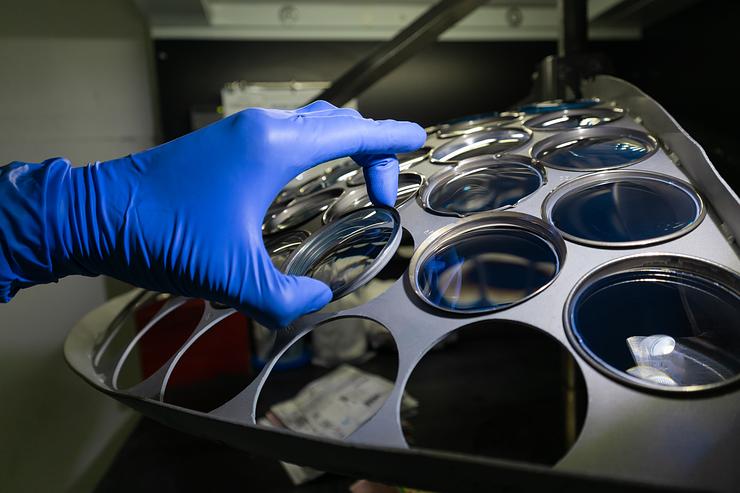
Lens coatings are thin surface treatments applied to eyeglass lenses that improve how they handle glare, scratches, smudges, fog, and UV exposure. They include anti-reflective, scratch-resistant, UV-blocking, anti-fog, hydrophobic, oleophobic, blue light filtering, and mirror coatings. Most coatings last one to two years with proper care, and untreated lenses can reflect up to 12% of light — a number anti-reflective coatings reduce to under 1%. The right combination depends on your lifestyle, lens material, and prescription, which your eye doctor can help you match during a comprehensive eye exam.
Choosing the right pair of glasses goes beyond getting your prescription right. The treatments applied to your lenses can determine how comfortable, durable, and clear your vision feels in everyday situations — from driving home at night to working under fluorescent office lights.
What Are Lens Coatings and Why Do They Matter?
Lens coatings are ultra-thin layers applied to the surface of your eyeglass lenses — sometimes bonded at a molecular level — that change how the lens interacts with light, water, oil, and everyday wear. They are not the same as the lens material itself, such as polycarbonate or Trivex, which already comes with built-in properties like UV blocking or impact resistance.
Basic prescription lenses sharpen how clearly you see, but they don't solve the small daily frustrations that wear on you:
- Glare from oncoming headlights
- Fingerprint smudges that won't wipe clean
- Foggy lenses when you step indoors from the cold
- Surface scratches that appear within months
Coatings target exactly these problems, improving real-world comfort rather than just your performance on a vision chart.
The Main Types of Lens Coatings Explained
A few core lens coatings show up on almost every prescription order, and each one targets a different type of frustration.
Anti-Reflective (AR) Coating cuts down on the light that bounces off the front and back of your lenses. Untreated lenses can reflect up to 12% of available light, which may cause distracting glare, halos, and starbursts — particularly when driving at night or sitting under fluorescent office lighting. AR coating can drop reflections to under 1%, letting more light reach your eye for sharper vision.
Basic AR reduces reflections but tends to smudge easily and wear down faster. Premium AR typically layers in oleophobic (oil-resisting), hydrophobic (water-repelling), and harder scratch-resistant surfaces — making lenses far easier to live with day to day.
Scratch-Resistant Coating adds a harder surface layer to plastic lenses, slowing the fine abrasions caused by everyday handling, cleaning, and storage. No coating is fully scratchproof, so a clean microfibre cloth — never a shirt or paper towel — still matters.
UV-Blocking Treatment filters out UVA and UVB rays while still letting visible light through. Long-term UV exposure may contribute to:
- Cataracts — clouding of the eye's natural lens
- Macular degeneration — damage to the central retina
- Pterygium — a growth on the white of the eye
Did You Know? Polycarbonate and Trivex lens materials already block 100% of UV rays on their own — so check with your eye doctor before adding a separate UV coating.
Specialty Lens Coatings for Specific Lifestyle Needs
Beyond the everyday essentials, a handful of specialty lens coatings target very specific frustrations — the kind tied to your routine, your environment, or the screens you stare at all day.
Anti-Fog Coating changes how moisture behaves on the lens surface. Instead of forming tiny droplets that scatter light and blur your view, moisture spreads into a thin, transparent film. Factory-applied versions tend to outlast sprays and wipes, which need constant reapplication and can sometimes break down nearby coatings.
- Hydrophobic ("water-repelling") coatings cause droplets to bead up and roll off, helping you see clearly in rain or mist.
- Oleophobic ("oil-repelling") coatings resist fingerprints, skin oils, and makeup.
Both are usually bundled into premium AR packages.
Blue Light Filtering Coating filters reduce certain high-energy wavelengths (roughly 400–450 nanometres) from screens, LEDs, and the sun. Some wearers report less fatigue and better evening sleep. The evidence is mixed, though — much screen discomfort actually stems from reduced blinking, poor posture, or skipping breaks.
Did You Know? The "20-20-20 rule" — every 20 minutes, look 20 feet away for 20 seconds — often helps screen comfort more than any coating alone.
Photochromic, Tinted, and Mirror Lens Options
Some lens options go beyond surface treatments and actually change how the lens behaves in different light. These are especially worth considering if you split your time between indoor work and outdoor activity.
Photochromic (light-adaptive) lenses stay clear indoors and darken automatically in sunlight — usually within about 30 seconds, and back to clear over a few minutes. One catch: most versions don't fully darken inside a vehicle, since windshields block much of the UV that triggers the reaction.
Tinted lenses absorb specific wavelengths to cut brightness or boost contrast. Yellow tints sharpen contrast in low-light or overcast conditions; brown tints suit general outdoor use; green tints are a favourite for golf and tennis.
Mirror coatings reflect light away from the lens and add a metallic finish — popular for skiing, cycling, or fishing on open water. Pairing them with a tint adds another layer of brightness control.
How Long Do Lens Coatings Last and How to Care for Them
Even the highest-quality lens coatings have a lifespan. Under normal wear, most last roughly one to two years. Watch for telltale signs of wear: persistent smearing that won't wipe clean, a fine crazing or cracking pattern across the lens surface, or glare creeping back in after it had been reduced.
The fastest way to shorten coating life is using the wrong cleaning materials. Paper towels, tissues, and even soft shirt fabric contain fibres that scratch lens coatings over time.
A few habits that genuinely extend coating life:
- Rinse first with lukewarm water to flush away grit before wiping.
- Use a clean microfiber cloth — and wash it regularly.
- Skip household glass cleaners; ammonia and alcohol break down coating layers.
- Store glasses in a hard case when they're not on your face.
- Keep them out of extreme heat, like a summer car dashboard.
Did You Know? Setting glasses face-down on a counter is one of the quickest ways to introduce micro-scratches — even a single grain of sand is enough.
How to Choose the Right Lens Coatings for Your Lifestyle
Picking the right combination of lens coatings starts with one honest question: what frustrates you most about your current glasses?
Rather than defaulting to the priciest package, work backwards from your actual pain points:
- Glare from headlights or screens? Anti-reflective coating belongs at the top of your list.
- Foggy lenses under a mask or coming inside from the cold? Anti-fog is your fix.
- Endless fingerprint smudges? An oleophobic layer makes a daily difference.
- Kids or active adults? Pair scratch-resistant treatments with impact-resistant materials like polycarbonate or Trivex.
- Outdoor work or a family history of cataracts or macular degeneration? Prioritize UV protection — and confirm whether your lens material already covers it.
Bundled packages that combine anti-reflective, scratch-resistant, hydrophobic, and oleophobic layers often cost less than buying each separately, and the features genuinely complement one another. À la carte still works if your needs are narrower — an FYidoctors optometrist can help match coatings to your prescription and routine.
One caution: persistent halos or starbursts despite AR-coated lenses may point to something inside the eye, like cataracts. Sudden halos with pain, nausea, or vision loss need urgent care.
FAQ
What are lens coatings on eyeglasses?
Which lens coating helps most with glare and night driving?
Is scratch-resistant coating worth it?
Do all glasses need a UV-blocking coating?
What coating helps stop glasses from fogging up?
What do hydrophobic and oleophobic coatings do?
Do blue light coatings really help with screen use?
How long do lens coatings last, and how should they be cared for?