

Toric Contact Lenses: Complete Guide for Astigmatism
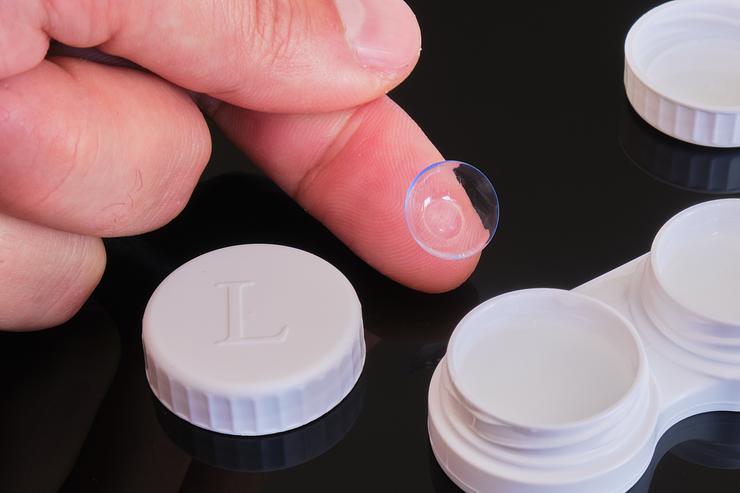
Toric contact lenses are specially designed to correct astigmatism by incorporating different powers across various zones of the lens. Unlike regular contacts with uniform curvature, toric lenses feature two distinct powers: one corrects astigmatism while the other addresses nearsightedness or farsightedness. These lenses must maintain precise orientation on the eye through stabilization features like weighted zones or thin-thick areas that interact with your eyelids. When properly aligned, toric contact lenses compensate for the irregular corneal shape that characterizes astigmatism, providing clear vision at all distances.
If you've struggled with blurry or distorted vision despite wearing regular contact lenses, you might have astigmatism—a common condition affecting millions of Canadians. Standard contacts often fail to provide clear vision for people with astigmatism because they can't address the eye's irregular curvature. Toric contact lenses offer a specialized solution designed specifically for this challenge.
What Are Toric Contact Lenses and How Do They Work
Toric contact lenses represent a significant advancement in vision correction technology for those with astigmatism. These specialized lenses differ fundamentally from standard spherical contacts in both design and function.
The unique construction of toric contact lenses addresses the football-shaped curvature of an astigmatic eye. While regular contacts maintain the same power throughout the lens, toric designs incorporate:
- Dual power zones: One power corrects the astigmatism component while another addresses any accompanying nearsightedness or farsightedness
- Variable curvatures: Different areas of the lens have distinct curves to match your eye's irregular shape
- Stabilization mechanisms: Weighted zones or thin-thick areas that work with your natural blinking to keep the lens properly oriented
The orientation stability proves critical for toric lens success. Modern toric lenses use sophisticated stabilization designs—some incorporate prism ballasting where the bottom of the lens is slightly thicker, while others employ dynamic stabilization with thin zones that interact with your eyelids during each blink.
Your eye doctor carefully measures not just your prescription strength but also the exact axis of your astigmatism. The fitting process typically involves trial lenses to ensure proper stability and comfort before finalizing your prescription.
Understanding Astigmatism and Why Regular Contacts Don't Work
Astigmatism creates a unique visual challenge: light entering your eye focuses on multiple points rather than a single clear point on the retina. This scattered focus produces blurred or stretched vision that affects both near and far distances—unlike nearsightedness or farsightedness, which primarily impact one distance range.
The condition stems from irregular eye shape in two possible locations:
- Corneal astigmatism: The cornea (your eye's front surface) curves more steeply in one direction, like a football
- Lenticular astigmatism: The lens inside your eye has an irregular shape
Most people have some degree of astigmatism, though minor amounts may not require correction. Your eye doctor can determine whether your level of astigmatism warrants toric contact lenses during a comprehensive exam.
Regular spherical contacts rotate freely on your eye without affecting vision because they maintain uniform power throughout. For someone with astigmatism who needs different powers in different meridians, this rotation would create constantly shifting blur.
Standard lenses simply cannot compensate for your eye's irregular curvature, often resulting in:
- Inconsistent vision clarity throughout the day
- Eye strain and frequent headaches
- The need to squint constantly for clearer vision
Types of Toric Contact Lenses and Their Benefits
Soft toric lenses are made from flexible hydrogel or silicone hydrogel materials that allow oxygen to pass through to your cornea while molding to your eye's shape. Most people find them comfortable for all-day wear, making them a popular choice for mild to moderate astigmatism.
Soft toric lenses come in various replacement schedules:
- Daily disposables: Fresh lens every day
- Weekly or bi-weekly: Replace every 1-2 weeks
- Monthly: Replace once a month
Newer silicone hydrogel materials provide better moisture retention—particularly helpful if you experience dry eyes.
Rigid gas permeable (RGP) toric lenses maintain their shape on your eye rather than conforming to it. This firmer, oxygen-permeable material often delivers sharper vision, especially for higher levels of astigmatism or irregular corneal shapes. While the adaptation period may take several weeks, many wearers find the crisp vision worth the adjustment time.
Hybrid toric lenses offer an RGP center surrounded by a soft lens skirt. This design combines the sharp optics of rigid lenses with comfort closer to soft lenses, and can help people who need RGP-level clarity but struggle with comfort.
The Toric Lens Fitting Process and What to Expect
The fitting process for toric contact lenses requires more precision than regular contacts. Your eye doctor will measure not only your prescription but also the exact curvature of your cornea and the axis of your astigmatism using specialized equipment like a keratometer or corneal topographer.
During the fitting, you'll wear trial lenses while your optometrist observes how they move with each blink. They'll check for:
- Proper alignment: The lens markings should stay in the correct position
- Minimal rotation: Excessive spinning would blur your vision
- Comfortable movement: Some movement is normal and healthy
Small adjustments to lens parameters can significantly impact both clarity and comfort. Your doctor of optometry may try different brands or stabilization designs to find the perfect match for your eye shape and lifestyle.
Did You Know? Even a 10-degree rotation of a toric lens can noticeably blur your vision—that's why precise fitting matters.
Multiple follow-up visits over several weeks may be needed to fine-tune the fit. This extra time ensures your toric lenses provide consistently clear vision throughout your day.
Common Challenges with Toric Lenses and How to Overcome Them
Lens rotation and vision fluctuation: Even well-fitted toric contact lenses may occasionally rotate out of position during wear, causing temporary blurriness that typically corrects itself with a few blinks. Persistent rotation might require trying a different lens design or brand with better stabilization features.
Using proper insertion techniques can minimize rotation issues:
- Check lens markings that indicate correct orientation
- Allow the lens to settle for several minutes after insertion
- Avoid rubbing your eyes throughout the day
Cost considerations and value: Toric lenses typically cost more than regular contacts due to their complex design and manufacturing process. While the higher cost may seem daunting, the improved vision quality and reduced eye strain often make toric contact lenses a worthwhile investment for people with astigmatism.
Adaptation period and comfort issues: New toric lens wearers may experience an adjustment period of several days to two weeks as their eyes adapt to the lens weight distribution. Dry eyes can affect toric lens comfort and stability more than regular lenses, so preservative-free lubricating drops and proper lens care routines are especially important.
FAQ
What are toric contact lenses?
How do toric contact lenses correct astigmatism?
Why don’t regular contact lenses work well for astigmatism?
Why does toric lens rotation matter so much?
How do toric lenses stay in the right position on the eye?
What types of toric contact lenses are available?
What should I expect during a toric contact lens fitting?
Is it normal to need time to adjust to toric contact lenses?