

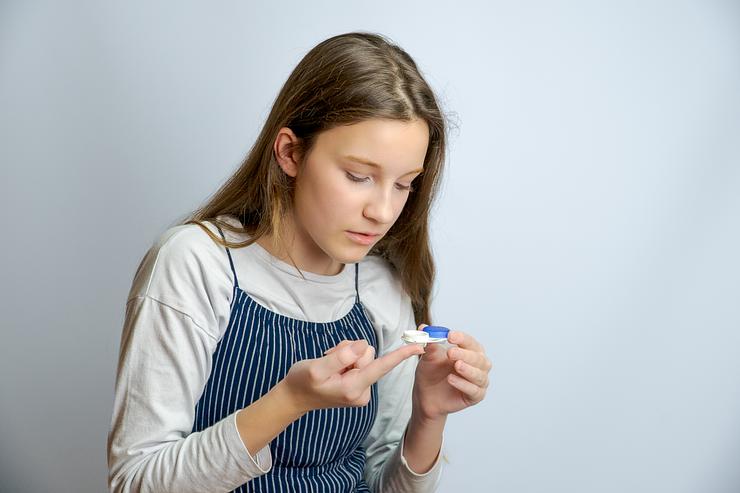
Children can safely start wearing contact lenses when they demonstrate maturity and responsibility with hygiene routines, typically between ages 8-12. Most eye care professionals agree there's no universal minimum age; instead, readiness depends on the child's ability to wash hands consistently, follow multi-step instructions, and handle lenses carefully. Daily disposable lenses are often recommended for younger wearers as they eliminate cleaning steps and reduce infection risks. Some mature 8-year-olds successfully manage contacts with supervision, while others may not be ready until their teens. Medical necessity can override age considerations—infants with congenital cataracts may need therapeutic lenses with parents managing all care.
Understanding the Age Question for Children's Contact Lenses
The question "at what age can children safely start wearing contact lenses" doesn't have a one-size-fits-all answer. Eye doctors evaluate each child individually, focusing on behavioral readiness rather than counting candles on a birthday cake.
Most optometrists consider children between 8-12 years old as potential candidates for contact lens wear. This age range represents a sweet spot where many children have developed:
- Sufficient hand-eye coordination for lens handling
- Understanding of hygiene importance
- Ability to follow detailed care instructions
Some particularly responsible 8-year-olds thrive with daily disposable contact lenses under parental guidance. These children often demonstrate exceptional hygiene habits—washing hands without reminders, keeping their room organized, and taking care of valuable items like tablets or sports equipment.
Medical circumstances sometimes override typical age guidelines. Infants with congenital cataracts or severe refractive errors may require therapeutic contact lenses for proper vision development. In these cases, parents or caregivers handle all aspects of lens care while the child's visual system develops.
Your doctor of optometry will assess multiple factors beyond chronological age: Does your child complete homework independently? Can they follow their morning routine without constant prompting? These everyday behaviors often predict success with contact lens responsibilities better than any age-based formula.
Key Readiness Factors Beyond Age
Responsibility and Maturity Indicators
Watch how your child handles their daily routines—these behaviors reveal more about contact lens readiness than any age milestone. Children who wash hands thoroughly without reminders, brush teeth consistently, and keep their belongings organized show the responsibility needed for successful lens wear.
Your child's independence with multi-step tasks provides valuable insight. Can they:
- Complete homework without constant supervision?
- Remember their sports equipment or lunch bag?
- Take care of their current glasses without losing or breaking them?
These everyday habits translate directly to contact lens success. A child who needs repeated reminders for basic hygiene tasks may struggle with the discipline required for safe lens care.
Physical and Emotional Readiness
The physical act of inserting and removing contacts requires comfort with eye touching—something not all children possess. Good hand-eye coordination and patience during the learning process matter just as much as following care instructions.
Motivation makes the difference. Children driven by specific goals—playing sports without glasses sliding down, avoiding foggy lenses during activities, or feeling more confident—typically show better compliance with care routines. This internal motivation proves far more effective than parental pressure or peer influence in maintaining proper lens hygiene habits.
Types of Contact Lenses Suitable for Children
Daily Disposable Lenses - The Preferred Choice
Eye care professionals overwhelmingly recommend daily disposable soft contact lenses for children starting their lens-wearing journey. The numbers speak volumes: infection risk drops from approximately 1 in 500 for reusable lenses to about 1 in 5,000 for daily disposables.
These single-use lenses eliminate the cleaning and storage steps that often trip up young wearers. Each morning brings a fresh, sterile lens; each evening, the lens goes straight into the trash. No solutions, no cases, no complicated routines—perfect for children who might forget maintenance steps or struggle with proper cleaning techniques.
Specialty Lenses for Vision Development
Myopia control lenses represent a significant advancement in pediatric eye care. These specialized lenses use optical designs that may reduce nearsightedness progression by up to 59% in children aged 8-12.
Rigid gas permeable (RGP) lenses serve specific needs: conditions like keratoconus or high astigmatism sometimes require their unique properties. However, RGPs demand more adaptation time and careful handling compared to soft lenses—factors parents and children should consider carefully.
Did You Know? Some children adapt to contact lenses faster than adults because they approach the process without preconceived fears or hesitations.
Safety Considerations and Risk Management
Common Risks and How to Minimize Them
Microbial keratitis—the primary risk of contact lens wear in children—occurs when bacteria invade the cornea. Poor hygiene, sleeping in lenses, or exposing them to water creates the perfect storm for infection. Yet proper handwashing and following wear schedules may reduce this risk significantly.
Children need to recognize warning signs immediately:
- Red eyes with pain or discomfort
- Excessive tearing or discharge
- Light sensitivity that wasn't there before
- Blurred vision when lenses previously felt comfortable
Teaching children to speak up matters: they must feel comfortable telling parents, teachers, or coaches when something feels wrong. No embarrassment, no waiting until after practice—immediate action prevents serious complications.
The Importance of Professional Oversight
Growing eyes require vigilant monitoring. Regular eye exams every 6-12 months allow eye doctors to track changes, ensure proper lens fit, and adjust prescriptions as needed. Your child's developing vision deserves professional oversight throughout their growth years.
Optometrists provide hands-on training for insertion and removal techniques while assessing each child's handling abilities. Many recommend starting with a trial period—perhaps two weeks—to evaluate success before committing to long-term wear. This approach lets families test readiness without pressure.
Practical Guidelines for Parents and Children
Creating a Successful Contact Lens Routine
Success with contact lenses starts with consistency. Establish a morning and evening routine: wash hands with soap and water for at least 20 seconds, dry with a lint-free towel, then handle lenses over a clean surface—dropped lenses on bathroom counters stay cleaner than those hitting the floor.
Parents should supervise lens care initially, watching technique and timing. Gradually transition responsibility to your child while maintaining spot checks: "Show me how you clean your hands before handling your lenses." Keep backup glasses readily available for rest days, swimming lessons, or emergencies.
The 4-to-1 Rule and Healthy Wearing Habits
The 4-to-1 rule helps maintain healthy eyes: one hour break for every four hours of lens wear. This ensures adequate oxygen reaches the cornea throughout the day, preventing strain and discomfort.
Critical safety rules children must understand:
- Never sleep in contact lenses unless specifically prescribed for overnight wear
- Remove lenses before swimming or showering—water harbours dangerous microorganisms
- Sharing lenses spreads infections between eyes
Did You Know? Even identical prescriptions between friends doesn't make sharing safe—each lens carries unique bacteria from its wearer's eye environment.
FAQ
Is there a minimum age when children can start wearing contact lenses?
What is the typical age range when children begin wearing contact lenses?
What factors determine if a child is ready for contact lenses?
Are daily disposable contact lenses safer for children than reusable lenses?
Can children younger than 8 ever be fitted with contact lenses?
What are the main risks for children wearing contact lenses, and how can they be prevented?
Why is professional oversight important when children start wearing contact lenses?
How can parents support their child’s success with contact lenses?