

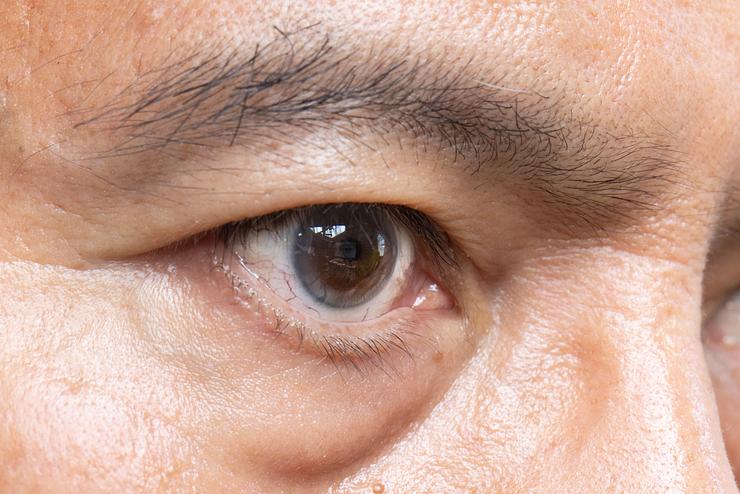
Regular eye exams are comprehensive health evaluations that protect your vision by detecting eye diseases before symptoms appear. These exams include visual acuity tests, eye pressure measurements, peripheral vision checks, and detailed examinations of your retina and optic nerve.
Why eye exams matter beyond glasses
Eye doctors recommend adults have exams every 1-2 years, while children need their first exam between ages 3-5. During these appointments, optometrists can identify conditions like glaucoma, diabetic retinopathy, and macular degeneration when treatment is most effective, potentially preventing up to 95% of vision loss.
Your eyes reveal more about your health than you might realize. Beyond checking if you need glasses, regular eye exams can detect over 270 systemic conditions — from diabetes to high blood pressure — often before other symptoms emerge. These comprehensive evaluations are an essential component of preventive healthcare, protecting not just your vision but your overall well-being.
What makes regular eye exams essential for vision health
Regular eye exams are comprehensive evaluations that go beyond simple vision tests, including patient health history, visual acuity measurements, depth perception tests, colour vision assessments, peripheral vision checks, and pupil response examinations to create a complete picture of your eye health.
These exams serve as preventive health screenings that can detect serious eye diseases like glaucoma, diabetic retinopathy, cataracts, and age-related macular degeneration before symptoms appear, when treatment is most effective and vision loss can be prevented.
Eye doctors use regular exams to monitor changes in your vision over time, tracking subtle shifts that might indicate developing problems and adjusting prescriptions or recommending interventions before significant vision deterioration occurs.
Understanding the three main types of eye exams
Not all vision assessments are created equal. While many people assume any eye test is sufficient, understanding the differences between exam types helps ensure you receive the care your eyes need.
Comprehensive eye exams involve multiple tests including refraction assessments to determine your exact prescription, eye movement evaluations to check how well your eyes work together, and external eye examinations using specialized equipment to inspect the structures around your eyes.
These exams typically last 30-60 minutes and include tests for eye pressure (tonometry), visual field testing to map your peripheral vision, and examination of the retina and optic nerve using advanced imaging technology.
Dilated eye exams use special drops to widen your pupils, allowing eye doctors to see the back of your eye clearly, including the retina, optic nerve, and blood vessels, which helps detect conditions like diabetic retinopathy, macular degeneration, and retinal tears.
Vision screenings are basic tests often performed at schools, pediatrician offices, or health fairs that check for obvious vision problems but cannot replace comprehensive exams, as they miss up to 75% of vision problems in children and don't test for eye diseases.
How regular eye exams detect hidden health problems
Your eyes serve as windows to your overall health. Eye exams can reveal over 270 systemic conditions including diabetes, high blood pressure, autoimmune disorders, and certain cancers by examining blood vessels, nerve tissue, and other structures visible only in the eye, making them crucial for overall health monitoring.
Diabetic retinopathy, the leading cause of blindness in working-age adults, often has no early symptoms but can be detected through regular eye exams, allowing for treatment that may reduce the risk of blindness by 95% when caught early. The condition develops when high blood sugar damages the tiny blood vessels in your retina — changes your eye doctor can spot long before vision problems occur.
High blood pressure signs appear in the eye as:
- Narrowed or leaking blood vessels
- Hemorrhages in the retina
- Swelling of the optic nerve
- Unusual bends or kinks in blood vessels
These changes often manifest before patients experience other symptoms, enabling early intervention that could help prevent stroke or heart disease. Optometrists examine these delicate structures using specialized imaging technology, potentially catching life-threatening conditions years before traditional symptoms emerge.
Determining the right eye exam schedule for different ages
Children should have their first comprehensive eye exam between ages 3-5 to detect amblyopia (lazy eye), strabismus (crossed eyes), and refractive errors that can permanently affect vision if left untreated. Less than half of preschool children currently receive proper vision testing, despite these conditions being most treatable when caught early.
School-age children need eye exams every 1-2 years to monitor vision changes during rapid growth periods. Undetected vision problems can significantly impact learning — 80% of classroom learning relies on visual skills.
Adults aged 18-64 with no risk factors should have comprehensive eye exams every 2 years. Those wearing glasses or contacts need annual exams to ensure prescriptions remain accurate and monitor for complications from corrective lens wear.
People over 65 require annual eye exams due to increased risk of age-related conditions like cataracts, glaucoma, and macular degeneration, which can progress rapidly without symptoms.
Individuals with diabetes need annual dilated eye exams regardless of age. Those with family history of glaucoma, high myopia, previous eye injuries, or taking medications that affect vision should have exams every 1-2 years as recommended by their optometrist.
Recognizing warning signs that demand immediate eye care
Sudden vision changes including decreased vision, double vision, flashes of light, new floaters (spots or strings in vision), or halos around lights require immediate examination. These symptoms may indicate retinal detachment, acute glaucoma, or stroke affecting the visual system.
Eye pain accompanied by redness, sensitivity to light, discharge, or vision changes could signal serious infections, corneal ulcers, or acute angle-closure glaucoma, which can cause permanent vision loss within hours if untreated.
Persistent symptoms like frequent headaches, eye strain, difficulty focusing, or needing to hold reading materials at arm's length may indicate uncorrected refractive errors or presbyopia (age-related near vision loss).
Key warning signs requiring immediate care:
- Sudden loss of vision in one or both eyes
- Severe eye pain with nausea or vomiting
- Chemical exposure or foreign object in the eye
- Curtain-like shadow across your visual field
Between regular eye exams, staying alert to these warning signs helps protect your vision from potentially irreversible damage.
Maximizing the benefits of your regular eye exam
Bringing a complete list of current medications, family eye health history, and any vision concerns helps your eye doctor assess risk factors and tailor the examination to your specific needs. Write down specific visual tasks that cause difficulty — night driving, computer work, or reading — so your optometrist can perform targeted tests and recommend appropriate solutions.
Ask about your risk factors for eye diseases based on your family history, age, and health conditions. Inquire about lifestyle modifications, protective eyewear options, and nutritional recommendations that may help preserve your vision.
Request explanations of all test results including visual acuity measurements (20/20 vision means you can see at 20 feet what a person with normal vision sees at 20 feet), eye pressure readings (normal range is 12-22 mmHg), and any imaging results. Discuss changes from previous exams and follow-up recommendations.
FAQ
What is a regular eye exam and why is it important?
How often should adults and children get regular eye exams?
What health problems can regular eye exams detect besides vision issues?
What is the difference between a vision screening and a comprehensive eye exam?
What should you do to prepare for a regular eye exam?
When do warning signs mean you need an immediate eye exam?
How do dilated eye exams help protect your vision?
Who needs more frequent eye exams and why?