

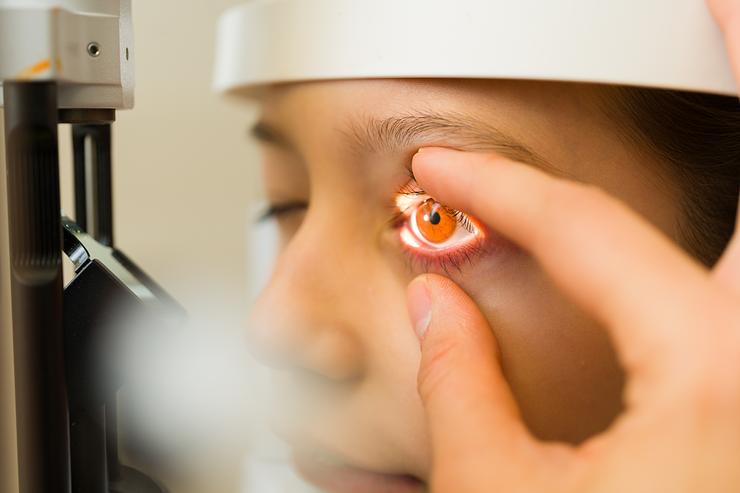
Wondering if it's time to book an eye exam? Common signs include blurry vision, frequent headaches, eye strain after screen use, trouble seeing at night, halos around lights, sudden floaters or flashes, light sensitivity, and distorted vision. Canadian eye care guidelines recommend adults book a comprehensive eye exam every one to two years, while children should be seen annually. An exam does more than check your prescription — it can also catch early signs of conditions like glaucoma, diabetes, and high blood pressure.
Your eyes are remarkable at adapting, which is also why vision problems can sneak up on you. By the time something feels truly "off," a condition may have been quietly progressing for months or years. The good news? Most eye and vision issues are highly treatable when caught early.
What a Comprehensive Eye Exam Checks
A comprehensive eye exam is far more than a quick check to see if you need glasses. It's a full assessment of your eye health and vision, performed by an optometrist. These conditions often show up in the eyes long before you feel any symptoms elsewhere in the body.
Here are a few key terms worth understanding before we dive in:
- Comprehensive eye exam: A thorough check of both your eye health and how well you see, performed by a doctor of optometry.
- Visual acuity: How sharp and clear your vision is at various distances.
- Refractive error: When the eye doesn't bend light correctly, leading to blurry vision (think nearsightedness, farsightedness, or astigmatism).
In Canada, current guidelines recommend that adults book a comprehensive eye exam every one to two years, and that children be seen annually. Catching changes sooner rather than later can make all the difference.
Blurry Vision, Squinting, and Clarity Changes
Blurry vision is often the tipping point that finally pushes someone to book an appointment. It's typically a sign of a refractive error, which may include:
- Nearsightedness (myopia): trouble seeing things in the distance, like road signs or a classroom whiteboard.
- Farsightedness (hyperopia): difficulty focusing on close-up tasks, like reading a menu or a book.
- Astigmatism: blurry or distorted vision at all distances, caused by an eye shaped more like a football than a round ball.
These are all very common and easily corrected once an eye exam confirms what's going on.
Sudden blurry vision, especially when it affects only one eye, can point to something serious, such as a retinal detachment or even a stroke affecting the brain's vision centre. This type of change should be treated as urgent.
Squinting is another quiet clue. It's the eyes' automatic attempt to sharpen a fuzzy image. If you notice your child squinting at the TV or catching yourself doing it while reading, the eyes may be working much harder than they should.
Headaches, Eye Strain, and Screen-Related Fatigue
If headaches keep showing up after a long workday, your eyes may be the culprit — not your coffee intake.
Why Frequent Headaches Can Be an Eye Problem Recurring headaches around the forehead, temples, or behind the eyes — especially after reading or close-up work — are often tied to eye strain. When the eyes struggle to focus due to an uncorrected refractive error, the tiny muscles inside the eye work overtime, which may trigger tension headaches.
What Is Digital Eye Strain? Digital eye strain (sometimes called computer vision syndrome) is a cluster of symptoms — dry, tired, or burning eyes, blurred vision, and headaches — caused by prolonged screen time without breaks. Two simple habits can help:
- 20-20-20 rule: every 20 minutes, look at something 20 feet away for 20 seconds.
- 30-30-30 rule: after 30 minutes of screen time, look at something 30 feet away for 30 seconds.
Did You Know? We blink up to 66% less while staring at screens, which is a major reason eyes feel dry and gritty by the end of the day.
Night Vision Trouble, Halos, and Light Sensitivity
Vision changes after sunset can sneak up on you. If oncoming headlights now bloom into halos or starbursts, or if reading street signs at dusk feels like guesswork, the way light enters and focuses in your eye may be changing.
These symptoms are commonly tied to cataracts (a clouding of the eye's natural lens), an outdated prescription, or dry eyes. Cataracts develop slowly and are very treatable once an eye doctor confirms the diagnosis.
Light sensitivity — known as photophobia — is another signal worth paying attention to. When normal indoor lighting suddenly feels painfully bright, it may point to inflammation inside the eye, a corneal issue, or a migraine disorder. Sudden or severe photophobia should be checked promptly.
Did You Know? The pupils of a healthy adult eye take roughly 20 to 30 minutes to fully adjust to darkness.
A gradual dip in night vision is a normal part of aging, but a sudden change isn't. Booking with your local doctor of optometry can help pinpoint whether it's a prescription update or something deeper.
Floaters, Flashes, and Visual Disturbances
Beyond fading night vision, there's another category of visual changes that demands quick attention — the kind that appears suddenly and seems to move on its own.
Floaters are those small shapes — dots, strings, or cobwebs — that drift across your field of view. They're usually caused by tiny clumps of gel or cells inside the vitreous, the clear, jelly-like fluid that fills the eye. A handful of floaters is typically harmless and tends to increase with age.
A sudden shower of new floaters paired with flashes of light is a medical emergency. This pairing may signal a retinal tear or detachment, which can lead to permanent vision loss if it isn't treated within hours to days.
Flashes — short bursts that resemble camera flashes or lightning streaks in your peripheral vision — happen when the vitreous gel tugs on the retina. New or frequent flashes always warrant prompt attention from an eye doctor.
Did You Know? The Amsler grid, a simple square of lines you can use at home, helps detect early macular changes — straight lines that suddenly look wavy or bent may point to macular degeneration, a leading cause of vision loss in adults over 50 in Canada.
What Your Eyes Can Reveal About Overall Health
The eyes aren't just for seeing — they're one of the clearest windows into your overall health. Many systemic conditions leave their first traces here, sometimes long before any other symptoms surface.
Can an Eye Exam Detect High Cholesterol or Diabetes? Yes. The eye is the only place in the body where blood vessels can be observed directly. During a comprehensive exam, your eye doctor may notice:
- A corneal arcus — a white or grey arc around the edge of the cornea, which can indicate high cholesterol
- Tiny deposits in the retinal blood vessels, another possible cholesterol clue
- Diabetic retinopathy — leaking or abnormally growing retinal blood vessels that may appear before a diabetes diagnosis
- Narrowed vessels or "nicking" where arteries cross veins, often associated with high blood pressure
When these signs appear, your optometrist will typically refer you to your family physician for follow-up.
Can Stress and Cortisol Affect Your Eyes? Long-term elevated cortisol has been linked to higher pressure inside the eye — a known risk factor for glaucoma. Stress may also trigger eye twitching, dryness, and brief visual disturbances. Since early glaucoma rarely causes pain, routine exams with an FYidoctors optometrist remain the only reliable way to catch it.
FAQ
What are the most common signs that I need an eye exam?
Is blurry vision or squinting a warning sign that I need an eye exam?
Can headaches or screen-related eye strain mean I need an eye exam?
Does trouble seeing at night or halos around lights mean something is wrong?
When are floaters and flashes a medical emergency?
Should light sensitivity be checked by an eye doctor?
What does distorted vision, like wavy or bent lines, mean?
Can an eye exam find health problems beyond needing glasses, and how often should I go?