

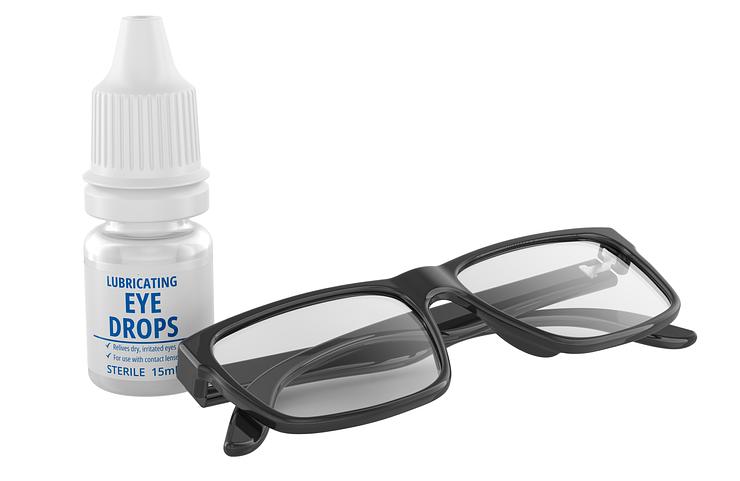
Mild dryness is common and usually normal while your eyes adapt to new contacts, and it often eases within a few days to about two weeks. To feel more comfortable, build up your wear time gradually, use contact-lens-safe rewetting drops, take regular screen breaks, and rest your eyes with glasses. Never push through significant pain, redness, or blurred vision. Those are red flags: remove your lenses and book an exam with your optometrist to find the cause.
What to Remember
- Some dryness is normal while your eyes adjust to new contacts, and it usually settles within days to a couple of weeks.
- Ramp up wear time gradually and reach for contact-lens-safe, preservative-free rewetting drops for quick relief.
- Screens, dry air, and lens material or fit can all make dryness feel worse.
- Persistent pain, redness, light sensitivity, or blurred vision is a red flag, so remove the lenses and book an exam.
- A proper contact lens fitting matches the right lens to your eyes so comfort lasts.
Is It Normal for New Contacts to Feel Dry?
Yes. Mild dryness, a gritty feeling, or simply noticing the lens on your eye is common in the first days of wear. Soft lenses typically take several days to adjust to, while rigid gas-permeable lenses can take a few weeks, as the U.S. Food and Drug Administration notes.
There is a difference between settling-in dryness and a signal that the lens, material, or fit needs adjusting. Adjustment discomfort that eases each day is a normal part of adapting. Discomfort that worsens or lingers is worth a professional look.
Feeling this way does not mean contacts "aren't for you." At your contact lens fitting, a FYidoctors optometrist sets realistic expectations and shows you what a good adjustment should feel like.
Why Your New Contacts Feel Dry
A contact lens sits in your tear film and can disrupt its stability, adding friction between the lens and the surface of your eye, as Medical News Today explains. The lens surface also wets less easily than your cornea, so tears break up faster and eyes feel drier by day's end.
Contact lens wear is an established risk factor for dry eye, not a guaranteed cause for everyone. The National Eye Institute lists wearing contacts among dry-eye risk factors. It also notes that long screen sessions and windy, smoky, or dry environments speed up how quickly tears evaporate. Lens material, fit, wear time, hygiene, and your surroundings all play a part.
How to Relieve Dry Eyes From New Contacts
Start with a simple, ordered plan and give each step a few days to work.
- Build up wear time gradually over your first week rather than jumping straight to all-day wear.
- Use contact-lens-safe rewetting or lubricating drops, ideally preservative-free, and never use drops that aren't labelled for contacts.
- Blink fully and follow the 20-20-20 rule during screen time: every 20 minutes, look about 20 feet away for 20 seconds.
- Give your eyes a break with glasses in the evening or on some days.
- Follow your replacement schedule and hygiene routine, and don't over-wear or sleep in lenses unless your optometrist prescribes it.
Rewetting and artificial tears are the first-line way to ease symptoms. A 2023 systematic review by Semp and colleagues in Clinical Optometry found that regular use, about four times a day, improves symptoms within roughly a month. Objective signs can take longer to change. If you are unsure which drops suit you, ask your optometrist for a recommendation.
Choosing Contact Lenses That Stay Comfortable
The best lens is the one matched to your eyes, not the one with the loudest marketing. A few options tend to help with dryness. Daily disposable lenses start each day with a fresh, clean lens and remove the need for preservative-containing solutions. A 2024 clinical review in Contact Lens Spectrum reports that wearers who switched from reusable lenses to daily disposables had fewer dryness complaints.
Silicone hydrogel materials let more oxygen reach the eye, as the U.S. Food and Drug Administration notes. A 2024 Cochrane review by Travis and colleagues found no clear comfort advantage over hydrogel daily disposables, so fit matters more than the material label. Specialty options such as water-gradient or scleral lenses exist for more stubborn dryness. To weigh the trade-offs, see our guide to choosing the right contact lenses.
Everyday Habits and Triggers That Make Dryness Worse
Your surroundings do a lot of the damage. Screens reduce how often you blink, and air conditioning, forced-air heating, and dry Canadian winters all speed tear evaporation. Allergies and smoke can add irritation, while a humidifier and staying hydrated help offset it.
Handling matters too. Cleveland Clinic advises washing your hands before touching lenses and keeping lenses away from water in pools, showers, and hot tubs. If your workday is screen-heavy, our tips on contacts for computer use and digital eye strain can help.
When to See Your Optometrist
Remove your lenses and book an exam if you have eye pain, persistent redness, light sensitivity, sudden blurred vision, discharge, or dryness that won't improve. Don't push through significant discomfort, because untreated dryness can harm the surface of your eye.
A contact lens fitting or dry-eye assessment finds the root cause, whether that is fit, material, or an underlying condition. Persistent symptoms are also worth discussing at a dry eye assessment. As Canada's largest eye care provider, FYidoctors has over 270 locations coast to coast, and cost varies by clinic.
Comfortable, Clear Vision Starts With the Right Fit
Dryness is usually manageable with small adjustments, and the right lens makes a lasting difference. If you are new to contacts, our beginner's guide walks you through what to expect. Book an appointment for an eye exam or find a location near you.
FAQ
How long does it take to get used to new contact lenses?
Should I take my contacts out if my eyes feel dry or irritated?
What eye drops are safe to use with contact lenses?
What are the best contact lenses for dry eyes?
Can screen time make my contacts feel drier?
When should dry eyes from contacts worry me?