

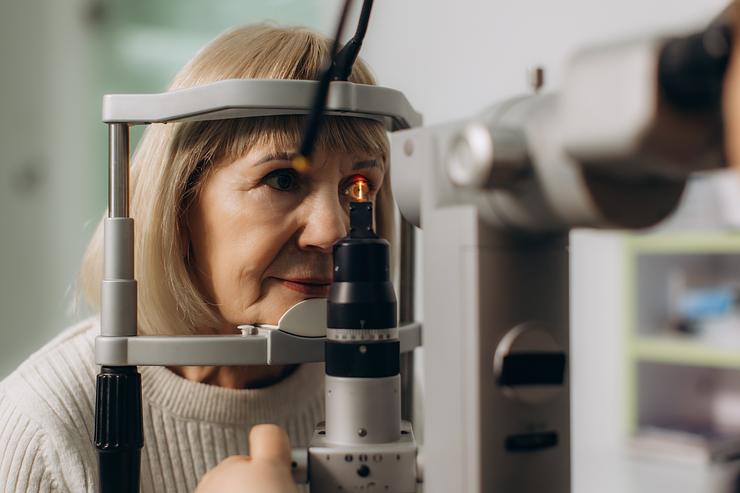
The cost of an eye exam in Calgary varies by clinic, the testing involved, and your coverage, so there is no single set price. For children 18 and under and seniors 65 and over, Alberta Health partially covers one complete eye exam per benefit year, which runs July 1 to June 30. Adults between 19 and 64 generally pay out of pocket unless the visit is medically necessary. Because fees differ from clinic to clinic, confirm the cost and your coverage with your optometrist before you book.
What Does an Eye Exam Cost in Calgary?
Here is the honest answer many patients wish they heard first: eye exam cost in Calgary varies by clinic, the tests included, the technology used, and your coverage. There is no single set price, and any source quoting one fixed number is oversimplifying.
Several things move the price. A routine exam differs from a comprehensive eye exam or specialized one. Diagnostic imaging, such as retinal photography or OCT scanning, adds to what is involved. So does the time you spend one-on-one with your optometrist.
That means the most useful question isn't "what's the cheapest exam I can find?" It's "what does this exam include, and what does my coverage pay for?" At FYidoctors, our doctor-led approach frames value around clinical thoroughness, not the lowest number on a page. Always confirm fees directly with the clinic before your appointment.
What Alberta Health Covers, by Age
Coverage is usually the first thing families want to understand. Alberta Health partially covers eligible eye care, which means the plan pays a set benefit and your optometrist may charge above it, leaving you to pay the difference. Here is how it breaks down by age.
- Children 18 and under: One complete eye exam plus one diagnostic procedure per benefit year (July 1 to June 30).
- Seniors 65 and over: One complete eye exam plus one diagnostic procedure per benefit year (July 1 to June 30).
- Adults between 19 and 64: Routine eye exams are not covered; many Albertans use employer or private insurance.
- All ages: Medically necessary eye care for trauma, illness, or specific conditions remains partially covered.
Remember that "partial" is the key word. Alberta Health does not cover eyeglasses or contact lenses, and the plan pays a benefit rather than the full fee. Your optometrist can walk you through what applies to your visit.
Recent Changes to Alberta Eye Exam Coverage
Coverage rules changed recently, and many online guides haven't caught up. As of February 1, 2025, partial follow-up eye exams for children and seniors were delisted from Alberta Health. The one complete annual exam for children 18 and under and seniors 65 and over is still partially covered.
Retinal imaging and photography are now limited as well. Patients managing chronic conditions such as glaucoma, macular degeneration, diabetes, and retinal or neurological conditions are most affected by these changes. If that describes you or a family member, ask your optometrist how the updates apply to your care. Our FYidoctors optometrists stay current on the rules so you don't have to guess.
What You Get in a Comprehensive Eye Exam
A comprehensive eye exam is more than a vision check, and understanding what it includes shows where the value lies. It typically includes a case history, a visual acuity test, refraction to determine your prescription, binocular vision checks, and a full eye-health assessment.
The health benefits reach beyond your eyes. A thorough exam can detect early signs of systemic conditions, including diabetes and high blood pressure. It can also detect signs of eye diseases like glaucoma, often called the "silent thief of vision" because it can progress without symptoms.
One important distinction: detection is not diagnosis. Your optometrist identifies signs and refers you for further assessment when needed. This is why a thorough exam, backed by our 650+ optometrists across Canada, is an investment in your overall health, not just your eyesight.
How Often Should You Book an Eye Exam?
Frequency depends on age and health. Infants should have a first exam between 6 and 9 months. Toddlers and preschoolers should have at least one exam between the ages of 2 and 5. School-age children benefit from an exam every year until 19.
Adults between 20 and 64 should book at least every two years, or more often if their optometrist recommends it, such as yearly for people with diabetes). Seniors 65 and over should have an exam at least once a year. These are general guidelines. Everyone's eyes are different, so book at these intervals or as recommended by your optometrist.
How to Manage the Cost of Your Eye Exam
A few practical steps can help you and your family manage costs. Start by checking whether your clinic offers direct billing to your insurance provider, which saves you from paying upfront and waiting for reimbursement.
Review your employer or private extended health benefits, too, since these plans often cover exams and eyewear. For eligible children and seniors, use the Alberta Health coverage that applies.
Booking your exam and eyewear in one visit saves the whole family time, since it turns several errands into a single trip. FYidoctors makes that easy by combining your exam with locally assembled glasses and lenses in one place, and our team can help sort out insurance and direct billing.
Key Takeaways
- Eye exam cost in Calgary varies by clinic, testing, and coverage, so confirm fees before booking.
- Alberta Health partially covers one complete exam per benefit year for children 18 and under and seniors 65 and over.
- Adults between 19 and 64 usually pay out of pocket unless the visit is medically necessary.
- As of February 1, 2025, partial follow-up exams for children and seniors were delisted, but one annual exam stays partially covered.
- A comprehensive exam can detect early signs of eye and systemic health conditions, making it an investment in overall health.
Book an appointment for an eye exam or find a location near you: https://www.fyidoctors.com/pages/find-a-location
FAQ
Is an eye exam free in Alberta?
How much does an eye exam cost in Calgary?
Did Alberta eye exam coverage change in 2025?
Can an eye exam detect health problems?
How often should my child have an eye exam?