

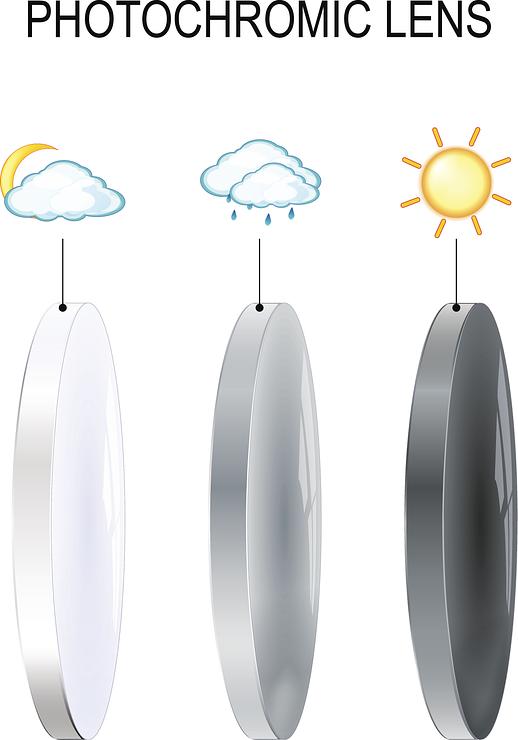
Photochromic lenses offer convenience with automatic UV protection and eliminate the need for separate sunglasses, but they have limitations including slower transitions in cold weather and reduced effectiveness behind car windshields. Benefits include continuous UV protection (even when clear), reduced eye strain from automatic light adaptation, and cost savings from not needing multiple pairs of glasses. Drawbacks include limited darkening in vehicles, slower clearing times indoors (2-5 minutes), and higher upfront costs compared to regular prescription lenses.
Understanding Photochromic Lenses: How They Work for Indoor-Outdoor Use
Photochromic lenses contain special molecules that react to UV light exposure, causing them to darken outdoors and return to clear indoors within minutes, making them ideal for people who frequently transition between environments. These adaptive lenses provide continuous UV protection even when clear, blocking 100% of harmful UVA and UVB rays that can cause cataracts, macular degeneration, and corneal damage over time. The technology behind photochromic lenses involves silver halide crystals or organic photochromic molecules that undergo a chemical change when exposed to UV radiation, creating the tinting effect automatically without any manual adjustment needed.
The pros and cons of photochromic lenses become apparent when you consider how this technology performs in real-world conditions. Modern photochromic lenses typically darken within 30-60 seconds of UV exposure and clear up in 2-5 minutes when returning indoors — though these times can vary based on temperature and the specific lens technology used.
Key Benefits of Photochromic Lenses for Daily Wear
Convenience and Versatility Advantages
The most significant advantage when weighing the pros and cons of photochromic lenses lies in their seamless adaptability. These lenses eliminate the need to switch between regular prescription glasses and sunglasses throughout the day — reducing the risk of losing or forgetting a pair while saving money on multiple eyewear purchases. This automatic adjustment to varying light conditions happens without conscious effort, making them particularly beneficial for:
- Outdoor workers who move between job sites and offices
- Students transitioning between classrooms and outdoor activities
- Active individuals who need hands-free light management during sports or exercise
Eye Health and Protection Benefits
Beyond convenience, photochromic lenses offer consistent UV protection that shields eyes from harmful radiation even on cloudy days when UV rays are still present. This continuous protection may help prevent long-term eye conditions like cataracts and macular degeneration. The lenses reduce eye strain and fatigue by automatically adapting to brightness levels — especially helpful when transitioning from bright sunlight to dimmer indoor environments.
Many modern photochromic lenses also filter blue light from digital screens and sunlight, providing additional protection for people who spend significant time on computers or mobile devices. Understanding lens coatings can help you choose options that maximize these protective benefits for your specific needs.
Common Drawbacks and Limitations of Photochromic Lenses
Performance Issues in Specific Conditions
While photochromic technology offers numerous advantages, understanding the pros and cons of photochromic lenses requires acknowledging their limitations. One notable drawback occurs inside vehicles: car windshields block most UV rays that trigger the darkening process, meaning the lenses may remain mostly clear even in bright driving conditions. This limitation can leave drivers squinting on sunny highways.
Temperature also affects performance — cold weather slows transition times significantly. Low temperatures can cause the lenses to take longer to darken outdoors and clear up when returning indoors, potentially lasting several minutes. Additionally, overcast conditions present another challenge: UV light may be present but diffused, preventing sufficient darkening for comfort despite maintaining UV protection.
Quality and Practical Considerations
Transition speed and darkness levels vary significantly between brands and price points. Older or lower-quality lenses potentially take up to 10 minutes to fully adjust — a frustrating wait when moving between environments. The higher upfront cost compared to regular prescription lenses may deter some patients, though avoiding separate prescription sunglasses can offset this expense.
Some wearers experience a slight residual tint indoors, especially in newer lenses or immediately after coming inside. This subtle shading can be noticeable in photos or professional settings where completely clear lenses are preferred.
Comparing Tinted Lenses: When Fixed Tints Work Better
Understanding Fixed Tint Advantages
For those seeking predictable performance, tinted lenses deliver consistent shading regardless of UV exposure. This reliability makes them ideal for specific activities like driving, sports, or extended outdoor work where lighting conditions remain relatively stable. Unlike evaluating the pros and cons of photochromic lenses with their variable performance, fixed tints provide certainty.
Available in various colours and densities, tinted lenses can be customized for specific visual needs: amber tints enhance contrast in low light; gray tints preserve true colour perception in bright conditions; brown tints improve depth perception. They offer immediate, full protection without waiting for activation — crucial for activities requiring instant glare reduction like stepping out into bright sunlight or water sports.
Limitations of Fixed Tints for Indoor-Outdoor Use
Strong tints become impractical indoors, potentially dangerous in dimly lit environments. Users must carry multiple pairs of glasses or constantly switch between them throughout the day. Fixed tints cannot adapt to changing light conditions, leaving wearers either over-protected in moderate light or under-protected in intense brightness. This inflexibility particularly challenges those who transition frequently between indoor and outdoor environments — precisely where photochromic technology excels.
Making the Right Choice: Photochromic vs Tinted for Your Lifestyle
Who Benefits Most from Photochromic Lenses
People who frequently move between indoor and outdoor environments throughout the day — delivery drivers, teachers with outdoor duties, office workers who take regular breaks outside — find photochromic lenses match their dynamic routines. Children and teens who spend significant time outdoors benefit from constant UV protection without relying on them to remember switching glasses. When weighing the pros and cons of photochromic lenses, convenience often tips the scale for individuals seeking a single-pair solution.
When to Choose Tinted Lenses Instead
Athletes and outdoor enthusiasts who need consistent, maximum tint during extended activities like fishing, cycling, or hiking may find photochromic lenses don't darken enough for their needs. Drivers who spend long hours on the road benefit from polarized tinted lenses that reduce glare more effectively than photochromic options behind windshields. People with specific visual needs or light sensitivity conditions often require a particular tint density that remains constant regardless of environmental changes — something fixed tints deliver reliably.
Did You Know? Professional anglers often choose copper or amber-tinted lenses because these colours enhance contrast underwater, making it easier to spot fish beneath the surface.Maximizing Performance: Care and Selection Tips
Choosing Quality Photochromic Lenses
Newer generation photochromic technology offers faster transition times — typically 30-60 seconds to darken, 2-5 minutes to clear — and better performance in various temperatures. Consider photochromic lenses with additional features like polarization for glare reduction or specific tint colours that enhance contrast for your typical activities. Your eye doctor can recommend appropriate photochromic options based on your prescription needs, lifestyle, and budget considerations while explaining how different lens coatings work together with photochromic technology.
Proper Maintenance for Longevity
Clean lenses regularly with microfiber cloths and appropriate cleaning solutions to maintain the photochromic coating's effectiveness and prevent scratches that may interfere with performance. Store glasses in protective cases when not in use to prevent unnecessary UV exposure that can cause the lenses to fatigue over time — typically lasting 2-3 years with proper care. Photochromic performance may gradually decrease over time, with most lenses maintaining good functionality for about three years before replacement might be considered.
Quick Tip: Temperature affects transition speed; warm your lenses between your hands for a few seconds before heading outdoors in winter for faster darkening.FAQ
What are the main advantages of photochromic lenses for daily use?
How do photochromic lenses protect your eyes from harmful rays?
What are the main drawbacks of photochromic lenses?
How quickly do photochromic lenses change from dark to clear?
Do photochromic lenses work inside vehicles?
Are photochromic lenses suitable for all activities?
How long do photochromic lenses last, and how should they be cared for?
Are photochromic lenses cost-effective compared to regular lenses?